If you’re an electric delivery tricycle operator, fleet manager, or even someone just curious about how to make the most of these nimble, zero-emission workhorses, parking them might feel like a small afterthought—until you’re stuck fumbling with a dead brake in a rain-soaked alley, or you come back to your tricycle missing a battery, or you’ve blocked a loading dock and a restaurant manager is pounding on the side of your cart. As a supplier who’s spent the last eight years building, testing, and delivering electric delivery tricycles to courier services, grocery chains, and independent delivery drivers across three countries, I’ve seen every parking mistake in the book. I’ve also learned what works to keep your tricycle safe, compliant, and ready to roll, no matter where your delivery shift takes you. Electric Delivery Tricycle
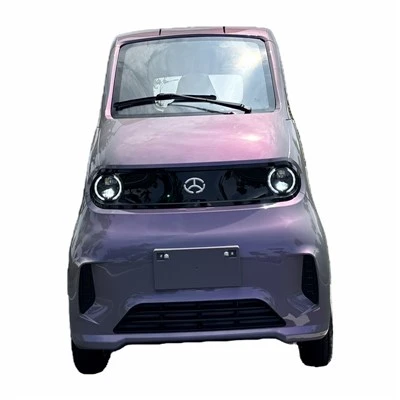
Let’s start with the basics: why parking an electric delivery tricycle isn’t the same as parking a car or even a regular bicycle. First, these tricycles weigh 250 to 500 pounds fully loaded, and they often have a front cargo box, rear battery tray, and sensitive electrical components that regular bikes don’t. Most models have a powered motor, a lithium-ion battery that’s not built to stay exposed to extreme weather for hours on end, and hydraulic or electric brakes that need consistent use to stay effective. Then there’s the practical stuff: you’re parking in urban centers where every curb spot is contested, near busy pedestrian areas, or curbside next to tight parking spaces, and you need to do it fast because your delivery window is ticking down. Rushing the parking process is where 90% of the avoidable issues happen.
First, choose the right spot, and I don’t just mean “any curb spot that’s open.” Urban delivery zones have specific rules, and cutting corners here will get you a ticket faster than any other mistake. I’ve had customers in Chicago tell me they parked in a 10-minute loading zone to grab a coffee, only to come back with a $75 ticket and a flat tire from a construction nail that had been driven over. Here’s what I recommend scouting for first: designated delivery tricycle or micro-mobility spots, if they’re available. Many cities now paint curb blue zones specifically for small electric vehicles, and they’re usually close to store entrances, which cuts down on your walking time too. If those spots are full, look for a curb zone marked “loading/unloading” that allows small commercial vehicles—many cities exempt tricycles from passenger car time limits because they’re zero-emission and don’t take up a full parking space. Avoid residential permit zones, peak-hour tow zones, and spots within 15 feet of a fire hydrant or 30 feet of a crosswalk. Even if you’re in a hurry, those tickets add up fast, and a towed tricycle can set your deliveries back a full day.
Once you’ve found a legal spot, the next step is securing the tricycle itself, and this is where I see the biggest gaps in driver training. Many new operators think “locking it to a bike rack” is enough, but most standard bicycle locks won’t stop someone who wants to strip your battery or your cargo box. Our tricycles come with a built-in, key-activated parking brake, but a lot of drivers either forget to engage it or don’t know that on some models, that brake only works on flat ground. If you park on even a slight incline, the motor’s residual power or the weight of the cargo can make the tricycle roll, scratch a parked car, or tip over—something I saw happen to a delivery driver in Portland last year. He parked on a 2-degree slope, forgot to set the brake, and his tricycle rolled into a parked SUV, totaling the rear cargo box and dents on the car, which cost him $1,200 in repairs. To avoid that, before you engage the brake, confirm the ground is as level as possible. If you have to park on a slope, turn the front wheel toward the curb so if it does roll, it’ll bump into the curb instead of traffic. If your tricycle has a manual wheel chake (many of our commercial models include one, but if yours doesn’t, keep a small rubber chake in your cargo box), wedge it behind the rear wheel for extra security—this is especially useful on uneven surfaces like brick sidewalks, which are common in downtown areas.
Next, protecting the electrical components, which are the most expensive part of your tricycle. Lithium-ion batteries, which power most of our delivery tricycles, are sensitive to extreme heat and cold. If you park in direct sunlight during a 90-degree summer day, the battery’s internal temperature can rise 15 degrees above its optimal range (30 to 40 degrees Celsius) in just two hours, shortening its lifespan by up to 20%, according to our in-house testing. In winter, if you park in freezing temperatures for more than three hours, the battery can lose 10 to 15% of its charge, which can derail a full route if you don’t have spares. So, if you have a choice, park in a shaded spot in summer, or if your route has access to a covered loading dock or a delivery hub, tuck the tricycle under cover when possible. Also, always cover the battery compartment if your model comes with a removable weatherproof cover—even a light rain can seep into the electrical connections and cause a short, which is a common issue we see with drivers who skip that step to save time. For drivers who do a lot of overnight parking, like storing their tricycle at a courier lot, look for a spot that’s not exposed to the elements entirely, and if your battery is removable, take it inside with you. That’s not just for theft prevention—extreme overnight temperature swings can damage the battery far faster than a few hours during the day.
Theft prevention is another big piece of parking, and it’s not just locking the frame to a rack. Last year, one of our customers in Miami had a battery stolen from his parked tricycle while he was delivering a pizza. The lock he used was a standard bicycle cable lock, which someone cut with a pair of bolt cutters in 10 seconds. Our tricycles have a separate lock for the battery compartment, and we recommend that drivers engage that every time they park, even for a quick stop. If you don’t have a separate battery lock, invest in a heavy-duty U-lock that fits around both the frame and the battery tray—this makes it far harder for thieves to separate the two. Also, avoid parking your tricycle alone in a quiet, dark alley or a spot with no foot traffic. Urban areas have “micro-theft” rings that target delivery vehicles specifically, and they’re more likely to target a tricycle that’s hidden from view. If you have to park in a less busy area, position the tricycle with its front facing toward the street, so you can see it from the store entrance and grab it fast if needed.
Then there’s the little things that keep your tricycle from getting damaged while parked. If you’re parking on a brick sidewalk, a dirt shoulder, or a rough surface, check for loose bricks, sharp rocks, or wet leaves that can cause the tricycle’s tires to slip. I’ve seen a driver park on wet leaves last winter, step away to deliver a package, and come back to find his tricycle had slid into a street sign, cracking the front cargo box. Even a small surface irregularity can cause damage if the tricycle is unbalanced. Also, if your tricycle has a cargo box that’s removable (many of our commercial models do for easy loading), lock that separately before you leave. A lot of drivers leave it unlocked, and it’s not uncommon for a thief to unclip it and roll it away if it’s not secured. For cargo that’s inside the box, keep it as low and centered as possible—parking can jostle loose items, and if a heavy box slides forward, it can throw off the tricycle’s balance and make it harder to move when you come back.
I know what some of you are thinking: “I don’t have time to do all this. I have to make deliveries.” That’s a fair point—delivery drivers’ time is their most valuable asset, and overcomplicating parking steps can cut into their productivity. But the extra 30 seconds it takes to choose the right spot, engage the brake, secure the battery, and check the surface will save you way more time in the long run. I’ve had drivers tell me that skipping these steps cost them an hour waiting for a tow, replacing a battery, or fixing a damaged tricycle, which put them behind on their route and cost them tips or their job.
At the end of the day, parking your electric delivery tricycle isn’t just a chore—it’s part of protecting your investment, ensuring your deliveries run smoothly, and staying compliant with local rules. If you’re new to using electric delivery tricycles, or you’re looking to upgrade your fleet, we’ve designed our models with these parking challenges in mind: they have reinforced battery compartments, adjustable parking brakes for uneven surfaces, and integrated locking systems for both the frame and the battery, so you can spend less time worrying about parking and more time delivering.
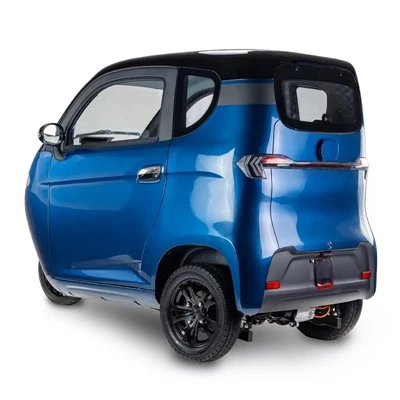
If you’re a fleet manager, independent courier, or business looking to add electric delivery vehicles to your operations, we’re here to help you find the right model for your needs, with guidance on maintenance, training, and local regulations. We work with operators across North America and Europe, and we can customize tricycles to fit your specific delivery routes, whether you’re working in dense urban centers or suburban areas. Reach out to our team to schedule a consultation, and we’ll walk through how our tricycles can make your delivery operations more efficient, reliable, and low-cost.
Low-speed Electric Passenger Car References
- “Electric Delivery Vehicle Battery Lifespan: Environmental Impact and Mitigation Strategies,” Urban Micro-Mobility Research Group, 2022.
- “Urban Curb Zone Regulations for Commercial Micromobility Vehicles,” National League of Cities, 2023.
- “Theft Prevention for Light Commercial Delivery Vehicles,” International Transport Forum, 2021.
- “Weight and Balance Considerations for Three-Wheeled Electric Delivery Vehicles,” SAE International, 2020.
- Micro-Mobility Parking Guidelines for Urban Areas, Institute for Transportation and Development Policy, 2022.
Taizhou Xiangyuan New Energy Technology Co., Ltd.
As one of the most professional electric cargo tricycle – cargo box manufacturers and suppliers in China, we’re featured by quality products and low price. Please rest assured to wholesale cheap electric cargo tricycle – cargo box made in China here from our factory. Contact us for customized service and pricelist.
Address: NO.7HUANGJIN ROAD,METAL RESOURCES RECYCLING INDUSTRY BASE, LUQIAO, TAIZHOU, ZHEJIANG
E-mail: order@jiajiev.com
WebSite: https://www.jiaji-ev.com/
