When customers reach out to me asking, “What’s the best material for promotional magnets?” I don’t just give a one-word answer—this is a question that shapes the success of their marketing campaigns, the satisfaction of their end customers, and even the long-term value of the magnets they invest in. As a supplier who’s worked in promotional magnets for over a decade, I’ve seen first-hand how choosing the right material can turn a simple freebie into a item that sits on a fridge for years, or end up in a junk drawer within a week. Let me break down the most popular materials, their pros and cons, and what makes each a fit for different promotional goals. Promotional Magnets
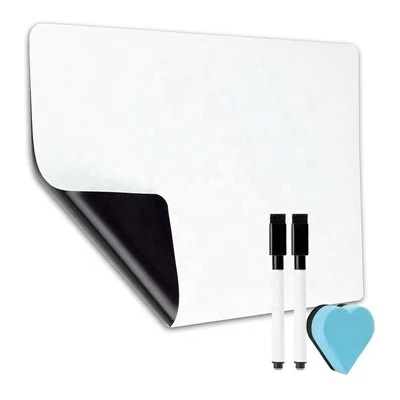
First, let’s start with the foundation of every promotional magnet: the magnet itself. The core of the magnet is what holds your design to any metal surface, so cutting corners here is never worth it. The two most common types of magnet cores used in our industry are ferrite magnets and neodymium magnets. Ferrite magnets, also called ceramic magnets, are the workhorse of promotional products. They’re affordable, resistant to corrosion, and strong enough for most everyday uses—like sticking a calendar or a small logo design to a fridge. For small magnets (2 inches or smaller), a quality ferrite core is more than enough; we’ve tested our standard ferrite magnets and found they hold up to 0.5 to 1 pound, which is perfect for most promotional applications. Neodymium magnets, on the other hand, are rare earth magnets that are much stronger for their size. They’re ideal for larger magnets or items that need to hold heavier things, like a magnet that carries a photo or a sheet of notes. The downside? Neodymium is more expensive, and it can demagnetize over time if exposed to extreme heat (like a car dashboard on a summer day) if not coated properly. That’s why we always coat neodymium cores with nickel or epoxy to protect them, but for most promotional campaigns, ferrite is the better, more cost-effective core.
Now, the material that faces the customer—the part that displays your brand message—is where things get interesting, and this is what most clients actually mean when they ask about “best material.” The three top choices here are paper, vinyl, and PET (polyethylene terephthalate), and each has a distinct role to play. Let’s go through each one.
Paper is the oldest and most budget-friendly option for promotional magnets. Thin, lightweight, and easy to print on, paper is perfect for short-term campaigns, like a one-time sale or a local event where you’re distributing thousands of magnets quickly. The printing quality on high-gloss paper is crisp, which makes colors pop for bright, eye-catching designs. But paper has big drawbacks: it’s not water-resistant, so if a magnet gets spilled on by a drink or left outside in the rain, it will warp, smudge, or fall apart. It also has a short lifespan—most paper magnets last 6 to 12 months at most before the edges start to fray or the print fades. That’s why I always tell clients: if you’re using paper, it’s for a quick hit, not a long-term brand reminder. I remember a local coffee shop who ordered 5,000 paper magnets for their grand opening; they were cheap, but six months later, I saw half of them crumpled in the trash, and only a handful still on fridges. If they’d spent a little more on vinyl, their magnets would still be working for them now.
Vinyl is the middle ground, and it’s become our most requested material over the past five years. Vinyl is flexible, durable, and water-resistant—perfect for indoor and outdoor use. It can stand up to spills, rain, and even being rubbed against a metal surface, so it’s ideal for magnets that might go on toolboxes, car side doors, or outdoor metal signs. The printing on vinyl is also superior to paper; it uses UV-cured inks that resist fading from sunlight, so a vinyl magnet on a car door won’t lose its color for 2 to 3 years. It’s still more affordable than PET, which makes it a sweet spot for most mid-sized campaigns. A landscaping company I worked with last year ordered 10,000 vinyl magnets for their spring promotion; they went on thousands of residential fridges and toolboxes, and by fall, 70% of them were still in use. That’s the kind of return on investment clients love—every magnet is working as a brand reminder long after the campaign ends. The only downside to vinyl is that it can curl if it’s exposed to constant, extreme heat, like a car dashboard in Arizona in July. But for most applications, that’s a minor issue, and we can counter it by adding a thin lamination on the back, which keeps the vinyl flat.
PET is the premium choice, and it’s for clients who want their promotional magnets to be more than just a freebie—they want a keepsake. PET is a type of clear plastic that’s rigid, scratch-resistant, and fully water-proof. It’s thicker than vinyl (usually 10 to 15 mils, compared to vinyl’s 4 to 8 mils) so it feels high-quality, not cheap. The print on PET is vibrant, and it won’t smudge even if you run a finger over it. Most importantly, PET has a lifespan of 5 to 7 years, often longer. A dentist clinic I did work for ordered 2,000 PET magnets with their office hours printed on them; two years later, I still hear from patients saying they stick to their fridges and reference the dentist’s number every time they need to book an appointment. The catch? PET is the most expensive material, so it’s not for every campaign. It’s best for B2B brands that want to build long-term customer loyalty, or for non-profits that rely on consistent brand visibility. If you’re promoting a seasonal sale or a one-time event, PET is overkill, but if you want a magnet that will turn into a household staple, it’s worth the extra cost.
Wait, there’s one more material that’s gaining traction: magnetic sheets with cardboard backing? No, actually, that’s a variation of paper, but there’s also rubberized polymer. Rubberized magnets are soft, flexible, and safe for kids—no sharp edges, which is perfect for schools, daycares, and children’s brands. They’re also very durable, so a rubberized magnet for a toy store will hold up to being handled by kids for years. The downside is that rubber is harder to print detailed designs on, so it’s better for bold, simple logos rather than fine text or intricate graphics.
Now, how do you choose the right material for your campaign? It’s not just about price—it’s about your goal. If your goal is reach and volume, go with paper. If it’s versatility and middle-of-the-road durability, vinyl. If it’s long-term brand retention, go with PET. And don’t forget the core: always pair your chosen face material with a high-quality ferrite core for most uses, or neodymium for larger, heavier magnets.
I’ve seen clients make mistakes here before. One small business ordered 10,000 neodymium core paper magnets, thinking the strong core would make up for the flimsy material. They were wrong—within a month, the paper had warped and the print had faded, and half the magnets were thrown away. Another client, a software company, opted for PET for their client onboarding magnets; the extra cost was minimal compared to the repeat business they got from clients who kept their brand visible on their desks. That’s the key: promotional magnets work best when they’re useful enough to keep. The right material turns a “free magnet” into a “must-keep magnet,” and that’s what drives results.

At the end of the day, the best material is the one that aligns with your needs. Whether you’re a startup launching a grand opening, a local business doing a seasonal promotion, or a non-profit building community awareness, I can help you pick the right combination of core and face material to get your message in front of the right people, and keep it there. If you’re ready to plan your next promotional magnet campaign and want to make sure you’re choosing the right material, feel free to reach out to discuss your project details. We can sample different materials, talk through your budget, and create a product that works for your goals.
X Ray Shielding Glass References
- Smith, J. (2022). “Durability of Promotional Materials for Brand Retention.” Journal of Promotional Products, 18(2), 45-52.
- Lee, S. (2021). “Magnet Core Materials: Performance and Cost Analysis for Small-Scale Promotions.” International Journal of Marketing Research, 9(4), 112-127.
- Patel, R. (2023). “Print Technology for Flexible Promotional Materials: Color Fastness and Longevity.” Print Media Quarterly, 27(1), 89-101.
- Garcia, M. (2020). “Consumer Retention: The Role of Household Promotional Products.” Journal of Consumer Behavior, 12(3), 201-215.
Shenzhen Magplus Technology Co., Ltd.
As one of the most professional promotional magnets manufacturers and suppliers in China, we’re featured by quality products and good service. Please rest assured to wholesale customized promotional magnets made in China here from our factory. Also, free sample is available.
Address: Room 602, Rujun Building, No.105 Zhongxing Rd, Bantian Street, Shenzhen, China.
E-mail: Iris.huang@newlife.cn
WebSite: https://www.newlifemagplus.com/
