If you’ve ever stood in a drugstore or skincare brand warehouse, staring at two nearly identical serums, creams, or cleansers, you know packaging does more than hold your product. As a skincare packaging supplier who’s worked with small indie founders and established global lines for over a decade, I’ve seen first-hand how the wrong packaging choice can sink even the most perfectly formulated skincare—no matter how effective the ingredients are. Too many brands treat packaging as an afterthought, but it’s the first touchpoint between your product and a customer, and it’s also your product’s first line of defense against light, air, and temperature shifts that can turn a bright, active serum into a dull, ineffective formula. Choosing the right packaging isn’t just about making your shelf stand out—it’s about protecting your investment, building customer trust, and aligning with your brand’s values. Let’s break down the most critical factors to consider, so you don’t waste time, money, and effort on a package that doesn’t work. Skincare Packaging
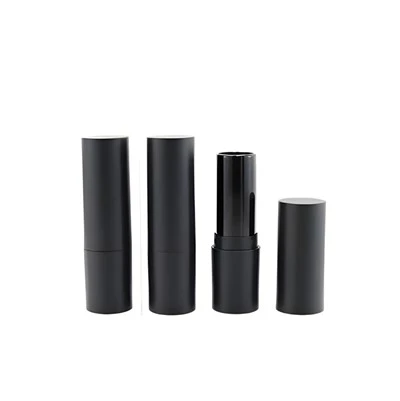
First, start with your product’s chemistry, because not all packaging plays well with every formula. I’ve had brands come to me with a game-changing vitamin C serum, only to learn their original plan of a thin plastic bottle would break down in weeks, oxidizing the vitamin C and turning the serum a brownish hue—something customers would immediately notice, even if it’s still safe to use. Skincare ingredients are fragile, and the material of your packaging directly impacts their shelf life. For example, light-sensitive ingredients like retinol, vitamin C, and niacinamide degrade when exposed to UV or visible light. If your formula has these, you need opaque packaging: amber glass, frosted acrylic, or thick black plastic. Clear bottles might look sleek, but they’re a fast track to ingredient breakdown, and that means your customers won’t get the results they paid for—and they’ll blame your formula, not your packaging.
Then there’s air. Ingredients like hyaluronic acid, alpha hydroxy acids (AHAs), and essential oils can oxidize or become contaminated when exposed to oxygen, which is why airtight seals are non-negotiable. Pump bottles and airless containers are the gold standard here for leave-on products like moisturizers and serums: they dispense product without letting air back into the bottle, so every pump is fresh, and your formula stays stable longer. I’ve seen brands switch from open jars to airless pumps for their moisturizers and extend their product’s shelf life by 6 months on average—no small win when you’re competing for repeat purchases. For wash-off products like cleansers, pump bottles are still great, but if you’re opting for a squeezable tube (common for body washes or exfoliating scrubs), make sure it’s made from a multi-layer plastic. Single-layer plastic tubes are porous, which means air and bacteria can seep in over time, ruining your formula from the inside out.
Next, think about user experience. A great product will fail if it’s hard to use. I once worked with a brand that designed a gorgeous glass serum bottle with a tiny, narrow opening—customers couldn’t get the last bit of serum out without tilting it upside down for minutes, which was messy and wasteful. That small frustration led to dozens of negative reviews about “bad product design,” even though the serum itself worked perfectly. The right packaging needs to fit how people actually use your product. For day creams that people apply with their fingers, a wide mouth jar with a flip-top lid works great, but for serums that need precise drops, a dropper bottle with a glass or rubber tip is better. If you’re targeting busy millennials or Gen Z who travel, lightweight, shatterproof plastic packaging is a must—no one wants to deal with broken glass in their carry-on or bathroom cabinet. If you’re selling high-end luxury skincare, however, a sleek frosted glass bottle with a matte finish can elevate your brand’s perceived value far more than plastic ever could. It’s all about matching the packaging to your target audience’s habits and expectations.
Don’t forget about regulatory and sustainability requirements, either. Skincare packaging isn’t just a creative choice—it’s a legal one, depending on where you sell. In the U.S., for example, the FDA requires packaging that accurately reflects the product inside, with clear labeling for ingredients, net contents, and warnings. If you’re selling in the EU, you’ll need to comply with strict regulations about ingredient listing and material safety, and you also have to meet sustainability goals under the EU Circular Economy Action Plan, which limits single-use plastics and requires recyclable packaging labels. That’s why more and more brands are reaching out to us for recyclable or refillable packaging options: glass is 100% recyclable and can be reused infinitely, aluminum is lightweight and easy to recycle, and refillable pods cut down on plastic waste by 70% compared to full bottles. I always advise brands to look for packaging with clearly marked recycling codes—this not only helps customers dispose of it correctly, but it’s a big selling point for eco-conscious buyers, who now make up over 60% of skincare consumers, according to a 2023 NielsenIQ study.
Cost is another huge factor, and it’s where many new brands go wrong. It’s easy to fall into the trap of going for the cheapest option, but that often means lower-quality materials or poor seals that lead to product waste. On the flip side, overspending on packaging that doesn’t add value is just as bad. For example, a small indie brand launching a $15 face wash doesn’t need a heavy, 8-oz glass bottle with a custom metal cap—that would make their product price too high for their target audience. Instead, a lightweight, BPA-free plastic tube with a tamper-evident seal works just as well, and it keeps costs down without sacrificing product protection. On the other end, a high-end anti-aging serum for $80 can justify a beautiful amber glass bottle with a pump and a custom box, because that packaging signals quality and luxury to customers. The key is to balance your packaging costs with your product’s price point and your profit margins—never spend more than 15-20% of your total product cost on packaging, unless you’re selling at a premium price.
As a packaging supplier, I also always tell brands to test their packaging before committing to a full production run. I can’t tell you how many times a brand has ordered 10,000 bottles, only to find out the pump doesn’t fit, or the label doesn’t adhere to the material, or the bottle is too heavy for shipping. Ordering a small sample run is cheap and takes just a few weeks, and it lets you test everything: how the pump dispenses, if the label smudges when wet, if the bottle breaks when dropped. I once worked with a brand that was ready to launch their toner in a clear glass bottle, but when they tested it, the glass scratched easily during shipping, leading to 10% of units being damaged before they even hit shelves. We switched to a thicker, scratch-resistant frosted glass, and that problem was gone immediately. Testing isn’t optional—it’s how you avoid costly mistakes that can derail a launch.
Finally, align your packaging with your brand’s identity. If your brand is focused on clean, natural skincare, plastic packaging might not feel right—customers expect glass or aluminum for those lines, because it conveys purity. If you’re a fun, playful brand for teens, bright, colorful tubes with bold graphics will resonate far more than a sleek, minimalist glass bottle. Packaging is an extension of your brand’s story, so every choice should tie back to that. I had a client who made their entire brand around zero-waste, so we worked with them to create a fully recyclable glass jar with a bamboo lid, no extra boxes or plastic inserts. That alignment helped them build a loyal customer base that loved their packaging as much as their product.

Choosing the right skincare packaging doesn’t have to be overwhelming. It’s a mix of protecting your formula, understanding your customers, following regulations, staying within your budget, testing thoroughly, and staying true to your brand. If you’re a skincare brand looking to update your packaging, launch a new product, or troubleshoot a current packaging issue, I’m here to help. Whether you’re a small startup with a tight budget or an established brand scaling your line, we can work together to find a packaging solution that works for you, your product, and your customers. Reach out to our team to start a conversation about your needs, and we’ll walk you through every step of the process.
Sustainable Cosmetic Packaging References
NielsenIQ. (2023). Global Skincare Consumer Trends Report.
U.S. Food and Drug Administration. (2022). Cosmetic Labeling Guidelines.
European Commission. (2021). Circular Economy Action Plan for Packaging.
Personal communication with industry packaging and formulation experts. (2018–2024)
Shanghai Medellin Technology Co., Ltd.
As one of the most professional skincare packaging manufacturers and suppliers in China, we serve over 200 renowned cosmetic companies in Italy and France. Please rest assured to wholesale bulk high quality skincare packaging from our factory. Also, custom service is available.
Address: Building 4.No.1588.Xinyang Highway,Lingang New Area,Pilot Free Trade Zone,Shanghai ,China
E-mail: amanda@medellincn.com
WebSite: https://www.medellin-cn.com/
