Hey there, fellow farm gear heads and part buyers! Let’s cut to the chase – if you’re in the market for farm implement metal parts, you know the worst feeling: buying a part that looks right at first glance, only to have it snap mid-harvest or wear out by the end of planting season. As a farm implement metal parts supplier who’s been in this game for over a decade, I’ve seen it all: farmers burning through cash on knockoffs, dealers getting scammed, and even brand-new machines sidelined because of bad parts. Today I’m spilling the tea on how to spot real OEM (Original Equipment Manufacturer) parts from the fakes – no fancy jargon, just real, practical stuff I’ve picked up working with farmers like you. Farm Implement Metal Parts
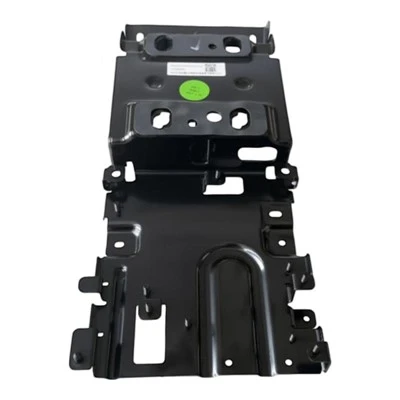
First off, let’s get one thing straight: OEM parts aren’t just “the real ones” – they’re the exact parts the big farm brands (think John Deere, Case IH, New Holland, whatever you run) use to build their equipment from the factory. Fakes? They’re usually made with cheaper metal, sloppy manufacturing, no quality checks, and often cut corners that turn a $20 part into a $200 headache when it breaks. I’ve had a farmer come to me last spring with a fake plow share he bought from some random online seller for half the OEM price – it bent so bad in his field he had to rent a welder on a weekend, missed 3 days of planting, and lost a chunk of his corn crop. Total disaster. So let’s break this down step by step, the way I’ve learned works best for checking parts in person or online.
Start With the Part Number – It’s Non-Negotiable
Every real OEM farm part has a unique part number stamped or etched on it, no exceptions. I don’t care if it’s a bolt, a blade, a frame bracket – the OEM marks it. The key here is knowing how that number looks, and where it’s placed. Fakes often just etch a random number that doesn’t match the actual OEM spec, or use numbers that are slightly off (like a 1 instead of a L, or a 0 instead of an O).
Let me give you an example: A John Deere primary plow share has a part number on the edge of the blade, usually near the cutting tip. If that number is “A25794” but the fake has “A25791” or some random string, that’s a red flag. Also, OEM numbers are almost always crisp and deep – not shallow, fuzzy, or scratched off. Some fakes use stickers that peel off after a week, too, which is a dead giveaway.
Pro tip I live by: If you’re buying online, grab the exact OEM part number from your machine’s manual or the brand’s official parts catalog before you shop. Don’t just search “plow share for John Deere 420” – search the actual part number. If a seller won’t confirm that the part number matches, or sends you a pic of the part with no number visible? Walk away. As a supplier, I tell every customer to cross-check that number with us before ordering – it’s the easiest filter to skip fakes.
Metal Quality & Finish – Feel the Difference, Don’t Just Look
Okay, time to get hands-on. OEM parts are made with specific steel alloys designed to handle the abuse of farm fields: rocks, mud, corrosive fertilizer, freezing temperatures, you name it. Fakes use cheap, low-grade steel that’s thin, soft, or just plain brittle.
First, check the weight. A real OEM part will be noticeably heavier than a fake of the same size. Last month, I had a customer come in with two parallel links for a combine head: the fake was so light, he could hold it in one hand with zero effort, while the OEM link he had was solid and had some heft to it. That weight difference comes down to the steel – OEMs use thicker, stronger steel where it matters, and fakes cut down on material to save cash.
Then there’s the finish. OEM parts get a consistent, durable coating: powder coat, galvanizing, or baked-on paint that doesn’t chip easily, resists rust, and has a smooth, even texture. Fakes often have flimsy spray paint that drips, chips the second you handle the part, or leaves raw steel exposed in spots. I’ve seen fake cultivator shanks where the coating was so bad, rust started forming before they even got to the farm. Also, look for machining marks – OEM parts have precision cuts, smooth edges, and no burrs (those sharp, rough spots that can cut your hands) or gaps that don’t line up. Fakes are usually hand-cut, so edges are rough, holes are off-center, and parts don’t fit together right.
Wait, here’s a trick for hard, wear-prone parts like plow shares or cultivator tines: OEM parts often have a special heat-treated edge. If you run your finger along the cutting edge, it’ll feel hard (not soft, like a fake) and you won’t be able to nick it easily with a screwdriver. Fakes have soft edges that bend or nick right away – I’ve had a farmer test a fake tine by tapping it with a hammer and it bent in half. No thank you.
Brand Markings – They’re Not Just Logos, They’re Proof
Every OEM part has the brand’s logo stamped or etched on it, but don’t assume that a logo means it’s real. Fakes copy logos all the time, so you have to check how the logo is applied. Real OEM logos are crisp, consistent, and placed in a specific location – no smudges, no weird spacing, no off-center marks. For example, a Case IH drive sprocket has the Case IH logo on the side, centered, with the correct size and font. A fake might have a logo that’s too big, or the letters are lopsided, or it’s just a sticker that peels off when you wipe it down.
Also, some brands have unique markings: John Deere uses a specific “DB” code for their parts, or New Holland has part numbers with prefixes that only apply to their equipment. If the logo looks off, Google it quick – pull up a pic of a real OEM part’s logo and compare. As a supplier, we only use official brand markings on our OEM parts, and I make sure every part we ship has the correct logo and number so farmers don’t have to guess.
Packaging & Paperwork – The Small Details That Matter
You’d be surprised how many people skip checking the packaging, but it’s a huge tell. OEM parts come in branded packaging – boxes, bags, or wraps with the brand’s logo, part number, and sometimes the supplier’s info (if it’s a authorized dealer). The packaging is sturdy, not flimsy plastic or a random cardboard box with no labels. Fakes often come in generic plastic bags, or boxes with handwritten numbers that don’t match the actual part number.
If you’re ordering from a dealer or online seller, ask for a certificate of conformity or a receipt that lists the exact OEM part number. Real OEM parts come with paperwork that confirms they meet the brand’s specs. Fakes rarely include this, and if they do, it’s usually a fake document. I always give my customers a detailed invoice with the exact part number, brand, and a note confirming it’s an OEM part – that way there’s no confusion later.
Common Pitfalls to Avoid – Don’t Get Suckered Into Cheap Deals
Let’s talk about the elephant in the room: price. Everyone wants to save cash, but if a part is 50% cheaper than the OEM price, it’s almost certainly a fake. I get it – times are tight, farm budgets are stretched, but buying a cheap fake that breaks mid-season costs you way more than buying a real OEM part upfront. That said, there are authorized dealers who sell genuine OEM parts at fair prices, so don’t think you have to pay full retail. As a supplier, we offer competitive OEM pricing because we cut out the middleman, and we guarantee all our parts are 100% authentic – no fakes, no exceptions.
Another pitfall: buying from random online marketplaces with no reviews. I’ve seen farmers buy “OEM plow shares” from a seller in another country, only to get parts that don’t fit at all. Always check the seller’s reviews, ask for proof of OEM status, and if it’s too good to be true, it is. Also, be wary of parts labeled “aftermarket” – aftermarket parts are not OEM, they’re third-party made, and often not as good as OEM. I’m not saying all aftermarket parts are garbage, but if you specifically need OEM, make sure the seller confirms it.
Why OEM Parts Matter For Your Farm
At the end of the day, real OEM farm implement metal parts aren’t just about avoiding breakdowns – they’re about protecting your equipment. OEM parts are tested to work seamlessly with your machine, so they fit right, perform how they’re supposed to, and don’t cause extra wear on other parts. A fake bearing on your combine, for example, might fail and damage the gearbox, costing you thousands in repairs. OEM parts are built to last, so you get more years out of them, and they help your machine run at peak efficiency.
I’ve been in this business long enough to know that farmers don’t have time for guessing games. You need parts that work when you need them, no excuses. That’s why we make it easy for our customers to check if a part is real – we send clear pics with the part number and logo, confirm all specs, and stand behind every OEM part we sell.
If you’re unsure about a part you have, or you need to source genuine OEM farm implement metal parts for your equipment, don’t stress. Just reach out – we can walk you through checking the part number, quality, and markings, or ship you the exact OEM parts you need with zero hassle. No more wasting cash on fakes, no more mid-season breakdowns, no more headaches.
References
Car Seat Parts Agricultural Engineers Association. (2022). OEM vs. Aftermarket Parts: Performance and Durability Standards. AEA Technical Report Series.
Farm Equipment Manufacturers Institute. (2021). Quality Specifications for Agricultural Implement Metal Components. FEMI Industry Guidelines.
Saskatchewan Ministry of Agriculture. (2020). Guide to Identifying Genuine OEM Agricultural Parts. Farm Safety and Productivity Publication.
Suzhou Yehe Precision Stamping Co., Ltd.
With abundant experience, we are one of the most reliable farm implement metal parts manufacturers and suppliers in China. We warmly welcome you to buy customized farm implement metal parts at competitive price from our factory. If you have any enquiry about quotation, please feel free to email us.
Address: No.5, Beifang Road, Changshu City, Suzhou, Jiangsu Province, China.
E-mail: szyh06@yehejingmi.com
WebSite: https://www.yehe-precision.com/
