If you’ve ever stood next to a busy highway at rush hour, or worked in a factory where constant machinery hum makes conversation or focus impossible, you’ve probably relied on acoustic screens—those tall, often unobtrusive barriers that soak up or block unwanted sound. As a supplier of acoustic screens, I get asked one question more than any other: “Do these things actually need maintenance, or are they just set-it-and-forget-it noise fixers?” For years, I used to think the same thing. I’d sell a system, hand over the operation manual, and move on to the next project, assuming the screens would work perfectly for years without a second glance. Then we started working with clients who skipped maintenance, and I saw firsthand how quickly even high-quality acoustic screens can stop performing. Today, I want to pull back the curtain on what acoustic screen maintenance actually looks like, why it’s non-negotiable for long-term performance, and how even the smallest upkeep tasks can save you from costly repairs or replacements down the line. Acoustic Screens
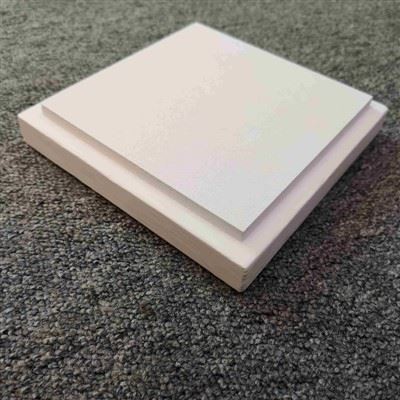
First, let’s set the baseline: what even makes an acoustic screen work, and what kind of damage can sneak up on it when you’re not looking? Most standard acoustic screens are made of three core components, each of which is vulnerable to wear and tear. The outermost layer is the structural frame—usually aluminum, steel, or even concrete, depending on where the screen is installed. This frame holds everything together, anchoring the screen to the ground or adjacent structures to keep it upright, even in high winds or heavy rain. Inside the frame is the acoustic core: this is the part that actually does the sound-dampening work, most often made of porous mineral wool or fiberglass, which traps sound waves and converts them into minor amounts of heat. Finally, there’s the facing layer, a thin perforated metal or plastic sheet that protects the acoustic core from rain, dust, debris, and critters that might make their way inside the screen.
At first glance, all these parts might seem tough enough to handle the elements. But take a screen installed along a rural highway, for example. Every day, semis kick up gravel that pings the facing layer, leaving tiny chips or cracks that let moisture seep inside. Over time, that moisture turns the mineral wool into a damp, compacted mess, so it can’t trap sound waves the way it’s supposed to. On an industrial site, the facing layer might get caked in sawdust, metal shavings, or chemical fumes that clog the perforations—another thing that kills acoustic performance. Even urban residential screens, installed next to apartment buildings, fall victim to grime, bird droppings, and fallen branches that can bend the frame or dislodge panels. I once worked with a housing developer who installed screens along a busy city street, skipped maintenance for three years, and found that the sound level had crept back up by 12 decibels—enough to make the space unlivable for ground-floor tenants. A quick inspection revealed that bird droppings had eaten through the facing layer on half the panels, and the mineral wool was saturated with rainwater, turning it into a solid block that couldn’t absorb sound. That client had to replace 40% of their screens, a cost that would’ve been a fraction of the annual maintenance we recommend.
So what does regular acoustic screen maintenance actually entail, and how often does it need to happen? It’s not as complicated as it sounds, and most tasks can be done by in-house teams with basic training, or by a small contractor. The key is to split maintenance into routine check-ups and seasonal deep cleans, depending on the environment. For most applications—whether that’s highway, industrial, or residential residential—a quarterly visual inspection is the first step. During these check-ups, a technician will walk the entire screen line, looking for obvious signs of damage: bent frame posts, loose panels, cracked or peeling facing layers, or pooling water at the base of the screen. For screens that are installed in areas with heavy wildlife—like deer, birds, or rodents—we also recommend checking for signs of animal intrusion, like chewed through facing layers or nests inside panels. Even a small gap from a loose panel can reduce a screen’s noise-blocking ability by as much as 25%, because sound waves will just bend around the gap instead of being absorbed.
Then there’s the annual deep clean, which is where most of the performance issues get fixed. This step is especially important for industrial sites, where dust and debris build up rapidly. We’ve found that power washing the facing layers of industrial screens once a year removes 90% of the built-up grime that clogs perforations, restoring almost all of the screen’s original sound absorption. For screens in coastal areas, where salt air can corrode metal frames, we add an extra step every two years: inspecting the frames for rust spots, and touching up or recoating any affected areas to prevent structural damage. I’ll never forget a project we did in a port city, where a client installed steel-framed screens along a shipping dock. They skipped maintenance for four years, and the salt had corroded half the frame posts, weakening the structure so much that they had to brace 20% of the screens temporarily for safety. A quick inspection would’ve caught the rust in its early stages, and a simple coat of corrosion-resistant paint would’ve cost a tiny fraction of the emergency repair and reinforcement work they ended up paying for.
There’s also a common misconception that acoustic screen maintenance is only for outdoor installations, but indoor screens—like those used in large factories, power plants, or commercial office atriums—need upkeep too. Indoor screens aren’t exposed to rain or gravel, but they deal with their own set of unique issues. For example, in a factory with heavy machinery, the acoustic cores can get coated in oil mist or metal shavings that clog the porous material, just like dust outdoors. In office spaces, regular cleaning of facing layers is needed to remove foot traffic grime, coffee spills, and even mold in humid areas. We had a client in a call center that installed indoor acoustic screens to reduce customer noise from open workspaces. After a year, they noticed that calls were still echoing, and an inspection found that the screen cores had absorbed hundreds of small food crumbs and dust, making them less effective. A deep clean of the cores brought the sound levels back down to where they were when the screens were new.
Now, let’s talk about the business case for maintenance, because that’s what tends to sway clients who are focused on upfront costs. When you’re sourcing acoustic screens, you’re looking at an upfront investment that can range from a few thousand to hundreds of thousands of dollars, depending on the size. Many clients want to cut corners by skipping maintenance to save money in the short term, but the long-term costs add up fast. According to a 2022 study on noise control infrastructure, unmaintained acoustic screens lose 15-30% of their sound-dampening performance within three years, and that number climbs to 50% or more after five years. That means you could be paying for a high-performance screen, but getting barely half the noise reduction you expected. Beyond lost performance, unaddressed damage can lead to safety issues: a bent frame or rusted post can fail during a storm, creating a hazard for nearby workers or pedestrians. We’ve had a few clients who had to shut down parts of their industrial sites temporarily because a damaged screen had become a safety risk, costing them thousands in lost production time.
On the flip side, the cost of regular maintenance is minimal compared to these risks. For a standard highway or residential screen line covering 1,000 linear feet, quarterly inspections and annual deep cleans typically cost less than 1% of the total screen investment per year. That’s a tiny price to pay to keep your screens performing at 90% or higher for 10, 15, even 20 years, instead of needing to replace them every five or six years. I like to give clients a simple example: if you spend $100,000 on acoustic screens for a new factory, skipping maintenance would mean you might need to replace them for $90,000 after five years, compared to paying $1,000 a year for maintenance that lets the screens last 20 years without replacement. That’s a difference of $90,000 versus $20,000 over the same period. The math is hard to argue with.
Of course, not all acoustic screens are the same—some are designed for higher-wear environments, and they have different maintenance needs. For example, our heavy-duty industrial screens have a thicker, scratch-resistant facing layer that can handle more gravel and debris than standard residential screens, but they still need annual cleaning to keep perforations clear. Our coastal screens come with hot-dip galvanized frames that resist salt corrosion, but they still need annual rust checks to address any areas where the coating might have chipped during installation or from debris impact. We also offer custom maintenance plans tailored to each client’s specific environment, whether that’s a highway in a snowy region where ice and snow buildup is a problem, or a hospital campus where screens need to be cleaned with specialized non-toxic solutions to avoid contaminating air around patients.
One question I get a lot is: what happens if you have a small repair that comes up between scheduled maintenance? For example, a loose panel after a storm, or a small tear in the facing layer. It’s important to address these right away, not wait for the next quarterly check-up. A small gap or tear might seem insignificant, but over time, it can lead to bigger issues—like moisture getting into the core, or structural damage to the frame. Most of our clients have a 24/7 support line they can call for small repairs, and we keep spare panels and parts on hand for quick replacements, so you don’t have to wait for a full inspection to fix a minor issue.
At the end of the day, acoustic screens are a long-term investment in reducing noise pollution, protecting workers’ hearing, or making spaces more comfortable. But like any investment—whether it’s a car, a roof, or a piece of heavy machinery—they need regular care to perform as intended. I’ve seen too many projects where clients cut corners on maintenance, only to regret it when their screens don’t deliver the noise reduction they were promised. The good news is that maintenance doesn’t have to be a burden. It’s a few hours of work a quarter, a deep clean once a year, and a quick check for small repairs when needed. It’s the difference between a screen that works for 15 years and a screen that needs to be replaced in five.

If you’re looking to install new acoustic screens, or you have existing screens that haven’t performed as well as you expected, we can help you assess your maintenance needs and put a plan in place that works for your budget and environment. Our team has years of experience working with highway departments, industrial facilities, residential developers, and more, and we’re here to make sure your acoustic screens work as hard as you do, for years to come. Reach out to our team to discuss your project and get a customized maintenance plan tailored to your needs.
Fiberglass Ceiling Panels References
- Occupational Safety and Health Administration (OSHA). (2021). Noise Control in Workplaces: Best Practices for Acoustic Barrier Maintenance. U.S. Department of Labor.
- National Transportation Safety Board (NTSB). (2022). Maintenance and Performance of Highway Noise Barriers: A Five-Year Case Study. U.S. Department of Transportation.
- International Organization for Standardization (ISO). (2020). ISO 14064:2020 – Acoustics – Maintenance of Acoustic Barriers for Noise Control. International Organization for Standardization.
- Noise Control Foundation. (2023). Long-Term Performance of Acoustic Barriers: The Impact of Preventive Maintenance. Noise Control Foundation, New York.
Guangzhou MQ Acoustic Materials Co., Ltd.
Guangzhou MQ Acoustic Materials Co., Ltd. is one of the most professional acoustic screens manufacturers and suppliers in China, featured by quality products and low price. Welcome to buy CE approved acoustic screens in stock here and get quotation from our factory. We also accept customized orders.
Address: Room D306, KeZhu Business Building, ZhuJi Road, TianHe District, GuangZhou, China
E-mail: sales002@mq-acoustics.com
WebSite: https://www.acoustic-projects.com/
