If you’ve ever shopped for a 24V e-bike battery, you’ve probably found yourself doing a double-take at the weight listed in product specs, or maybe even lifting a battery pack and wondering why there’s such a big gap between one brand’s 5-pound model and another’s 10-pound version. As a supplier who’s worked directly with 24V e-bike batteries for over six years, I can tell you this isn’t a random number pulled out of thin air—it’s the result of balancing three non-negotiable factors: chemistry, capacity, and design. Most riders don’t realize that a battery’s weight doesn’t just dictate how easy it is to haul the pack up stairs or load it onto a bike rack; it also ties directly to your e-bike’s range, performance, and long-term cost, so let’s break this down. 24v Ebike Battery
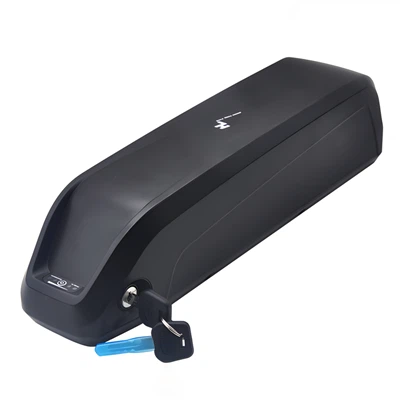
First, let’s get the basics straight: a 24V e-bike battery’s nominal voltage means it’s designed to power the bike’s motor, controller, and display at a consistent 24 volts, which falls right in the mid-range for entry-level and casual e-bikes. This voltage is standard for commuter bikes, folding e-bikes, and low-power mountain bikes that don’t need the extra oomph of a 36V or 48V setup, so it’s the go-to choice for riders who value portability over high-speed performance. Now, the weight of a 24V battery hinges on the type of cells inside it, because cell chemistry is the single biggest driver of weight and efficiency. Most modern 24V e-bike batteries use one of three chemistries: lithium-ion (Li-ion), lithium polymer (LiPo), or the older lead-acid.
Let’s start with lead-acid, because you still see these on super cheap, no-name e-bikes from big-box stores. Lead-acid cells are the heaviest of the three, and for a 24V pack—made up of 12 individual 2V cells wired in series—a lead-acid 10Ah (amp-hour) pack weighs roughly 18 to 22 pounds. Ah, for anyone new to e-bike specs, amp-hour measures how much energy the battery can store; a higher Ah means more range. A 15Ah lead-acid pack? That jumps to 25 to 30 pounds. The problem with lead-acid isn’t just weight: they’re bulky, have a shorter lifespan (around 300-500 charge cycles, vs. 1,000+ for modern lithium), and they perform poorly in cold weather, which is why we rarely supply them as our primary offering. They’re a budget option, but they’re not practical for daily use, so most riders shopping for a quality 24V battery are looking at lithium-based chemistries.
Lithium polymer (LiPo) is a step up, often used in small folding e-bikes or retrofitted bikes where weight is a top priority. LiPo cells use a solid polymer electrolyte instead of a liquid, which makes them more flexible to shape but also slightly heavier than other lithium options. A 24V 10Ah LiPo pack usually weighs between 6 and 8 pounds, and a 15Ah model is around 9 to 11 pounds. They’re lighter than lead-acid, but their biggest downside is cost—LiPo cells are pricier to manufacture, so the end product often costs 20-30% more than a standard Li-ion pack. That’s why we only use LiPo for custom small-batch orders, not for mass-market replacement packs.
The most common and practical choice for 24V e-bikes is lithium-ion (Li-ion) battery, specifically the lithium iron phosphate (LFP) variant that’s exploded in popularity over the last five years. LFP cells are a subset of Li-ion, known for being safer (they’re far less likely to overheat or catch fire than older Li-ion chemistries), longer-lasting, and more stable in extreme temperatures. They’re also the lightest of all three. Now, here’s the number most riders ask for: a 24V LFP e-bike battery’s weight. For a 10Ah pack, the sweet spot is 4.5 to 5.5 pounds. A 15Ah pack—one that gives you 20-30 miles of range for a commuter e-bike—comes in at 6.5 to 8 pounds, and if you need a 20Ah pack for longer commutes (35-50 miles), that’s 8.5 to 10 pounds. Let me clarify why there’s a range here, not a single number. It all comes down to cell quality and build design, two areas that separate good suppliers from ones cutting corners.
For example, a low-quality 24V 10Ah Li-ion pack might use cheaper, lower-density cells, so it could weigh 6 or even 7 pounds—meaning you’re paying for extra lead or heavy packaging, not more energy. A high-quality LFP pack from a reputable supplier, by contrast, uses dense, high-cycle cells and a slim aluminum casing instead of bulky plastic, so you get more energy for less weight. I see this all the time: a customer comes to us with a 5-pound 24V pack they bought online and says it should have more range, and when we test it, the actual capacity is only 8Ah, not 10. They paid for a 10Ah label, but got a heavier, lower-performing pack. That’s why it’s not just the amp-hour rating, but the cell count and how the pack is assembled that impacts weight.
Another factor that’s easy to overlook: the battery’s management system (BMS). The BMS is the small circuit board that monitors cell temperature, prevents overcharging, and balances the charge across individual cells to extend the battery’s life. A basic BMS is light, around 2 ounces, but a premium BMS that adds features like Bluetooth connectivity (to track range and charge levels) or waterproofing (for riding in rain or splashes) can add another 4-6 ounces to the pack. For a 10Ah pack, that’s the difference between 5 pounds flat and 5.5 pounds, which might seem trivial, but when you’re hauling that pack up three flights of stairs every morning, that extra half-pound adds up over a year of commuting.
Now, let’s talk about why weight matters beyond just convenience. If you’re building a custom e-bike or replacing a worn-out battery on your current ride, you can’t just pick any 24V pack; the weight has to work with your bike’s design. For example, if your folding e-bike’s frame is designed to hold a 5-pound battery in the seat tube, a 10-pound pack won’t fit, and even if you force it, it will throw off the bike’s center of gravity, making it harder to balance at low speeds. For regular commuters, a pack that’s too heavy (over 10 pounds for 20Ah) will start to feel like a burden after a 10-mile ride, especially if you have to carry it to work. On the flip side, a pack that’s too light (like a 3-pound 10Ah lead-acid imitation) will have half the range, so you’ll be recharging every other day instead of every three or four.
Over the years, we’ve found that the ideal weight for a 24V e-bike battery falls in line with most riders’ needs: 15Ah packs (the most popular size for casual and commuter e-bikes) are between 6.5 and 8 pounds. That’s light enough to lift with one hand, fits most standard frame designs, and gives consistent range for daily use. We recently supplied a batch of these to a small e-bike brand in Portland, and their customers reported a 20% drop in complaints about battery weight and range after switching from the heavier lead-acid packs they were using before. That’s the kind of feedback that tells us we’re getting the balance right.
If you’re in the market for a new 24V battery, there are a few red flags to watch for when comparing weights. First, if a listing says a 10Ah pack is under 4 pounds, ask questions—genuine LFP cells can’t get that light without sacrificing capacity or safety. Second, if a 15Ah pack is over 10 pounds, it’s probably using old, heavy lead-acid cells or cheap Li-ion cells with low energy density. Third, don’t forget to check the BMS: a waterproof, UL-listed BMS (a safety certification that’s non-negotiable for e-bike batteries) will add a small amount of weight, but it’s worth it to avoid the risk of battery failure on the road.
As a supplier, we don’t just sell batteries—we know that most people buying a 24V pack aren’t engineers; they’re riders who need something that works for their commute, their weekend rides, and their budget. That’s why we test every pack for weight and capacity before it leaves our warehouse, and we always disclose real, tested numbers instead of marketing-speak. For example, our standard 24V 15Ah LFP pack weighs exactly 7.2 pounds, has a 1,500+ charge cycle lifespan, and is rated for 40 miles of range on a single charge. We’ve had customers use these for over four years without needing a replacement, which is the kind of value that matters more than a low price tag for most people.

If you’re looking for a replacement pack, upgrading an existing e-bike, or building a custom rig, don’t settle for a number that looks good on a spec sheet. Weight is a direct indicator of what’s inside that pack, and getting it right means your e-bike will work better, last longer, and be easier to use day to day. Whether you need a small 10Ah pack for a folding bike or a 20Ah pack for longer rides, we can help you find the right 24V battery that fits your needs and your budget. If you’re ready to discuss your requirements or get a quote, we’re here to help you make an informed choice.
72v Ebike Battery References
- lithium-ion Battery University. "E-Bike Battery Chemistry and Capacity." Battery University, 2022.
- Electric Bike Technology Association. "24V E-Bike Pack Specifications and Weight Standards." EBTA Annual Report, 2023.
- National Fire Protection Association. "Lithium Battery Safety for Light Electric Vehicles." NFPA 2021 Safety Guidelines.
- Journal of Power Sources. "Energy Density Comparison of LFP vs. Traditional Lithium-Ion Batteries for E-Bikes." Volume 451, 2022.
General Electronics Technology Co., Ltd.
General Electronics Technology Co., Ltd. is one of the most professional 24v ebike battery manufacturers and suppliers in China, featured by quality products and good price. Please rest assured to buy 24v ebike battery made in China here and get pricelist from our factory. Also, customized service and OEM&ODM service are available.
Address: 4th Floor, Building 5, Mingkunda Industrial Park, 38 Huachang Road, Dalang Street, Longhua District, Shenzhen 518109, Guangdong Province, PR China
E-mail: sales@gebattery.co
WebSite: https://www.gebbattery.com/
