If you’ve ever walked down the aisle of a grocery store and spotted a multi-pack of soda cans that stayed perfectly aligned, or grabbed a stack of water bottles wrapped tight enough to carry in one hand, you’ve probably interacted with a bagging and heat shrink machine without even noticing. For nearly two decades, I’ve worked as a supplier of these machines, walking warehouse managers, packaging supervisors, and small business owners through what makes them tick—and debunking the myth that they’re just “boxes that wrap things up.” There’s actual engineering behind every cycle, and understanding how they work doesn’t just help you choose the right machine; it helps you avoid downtime, cut material waste, and keep your packaging line running smooth. Bagging and Heat Shrink Machine
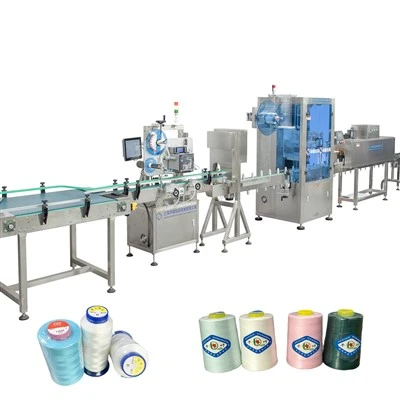
First, let’s start with the basics: what a bagging and heat shrink machine actually does. Unlike separate bagging machines and heat tunnels, these systems are integrated to handle three core jobs in one: loading products into a flexible plastic bag, sealing the bag closed, and using heat to shrink the bag tight around the products so they don’t shift, get damaged, or fall apart during shipping or storage. The goal isn’t just appearance—it’s functionality: wrapped products are water-resistant, dust-proof, and easier to palletize, which cuts down on shipping costs and retail shelf space.
Let’s break the process down step by step, starting with the first component: the bagging system. Most modern machines use either pre-made bags or rollstock bags, and the type you choose depends on your product and line speed. For small runs or products with irregular shapes, pre-made bags are a common pick—they’re loaded into a hopper on the machine, and a robotic arm or mechanical pincer grabs one bag at a time, unfolds it, and holds it open while products are fed inside. For high-volume lines (think 1,000+ packages per hour), rollstock is more efficient: a continuous roll of plastic film feeds through the machine, and the bag is formed right at the point of packaging, cutting down on material waste because you only use as much film as you need per package.
Once the bag is open and loaded, the next step is sealing it. This isn’t just a simple heat press—poor sealing leads to loose bags, product damage, or even lost inventory during shipping. Quality machines use a combination of heated seal bars, pressure, and timing to create a hermetic seal that’s strong enough to hold up during handling. For polyolefin or PVC film (the two most common shrink films), the seal bar is usually heated to between 250°F and 350°F, depending on the film thickness. The machine automatically adjusts the pressure: too much and you’ll puncture the bag; too little and the seal will break. Timing is also key—thicker film needs longer heat exposure, while thin film can seal in less than a second. Some machines also have a cooling step right after sealing: a cold bar or air blower hardens the seal immediately, so the bag doesn’t warp before it moves to the shrinking stage.
Now the part that gives the machine its name: heat shrinking. This is where the magic happens, but it’s also the part that causes the most frustration for new users. Shrink film works because it’s made with polymer molecules that are stretched during manufacturing—when you heat them evenly to a specific temperature, they relax and contract back to their original, smaller size. The key here is even heat; uneven heating leads to “necking” (wrinkling around the products) or even holes in the film. Most modern bagging and heat shrink machines use a heated tunnel instead of an open heat source, because tunnels distribute heat consistently and control airflow to prevent those issues.
Let’s dive into the heat tunnel: it’s a long, insulated chamber with a conveyor belt running through the middle. When the sealed bag enters the tunnel, the belt carries it past rows of heating elements—usually a mix of infrared burners for fast, even heat and convection fans that circulate hot air to eliminate cold spots. The temperature inside the tunnel is typically set between 275°F and 325°F, but exact settings depend on the film type and product. For example, polyolefin film shrinks best at around 300°F, while PVC needs a slightly lower temperature to avoid melting. The speed of the conveyor belt is just as important as the temperature: if the bag moves too fast, the film won’t shrink evenly; if it moves too slow, the heat will break down the film, leaving it brittle or stained. Good machines have digital controls that let you adjust both temperature and belt speed with precision, which is a huge upgrade from older, analog models that required constant manual tweaking.
There are a few add-on components that make these machines even more versatile, depending on your needs. For products that need to be counted before bagging (like small hardware parts or candy), many machines integrate a counting system that feeds exact quantities into each bag, so you don’t have to rely on manual labor. For products that are heavier or have odd shapes, some systems have adjustable bag holders that keep the bag upright during loading, preventing products from tipping over. We also make machines with automatic product infeed, which connects to your existing production line—so you don’t have to manually load every product, cutting down on labor costs and speeding up throughput.
I’ve seen a lot of new machine operators make common mistakes when running their bagging and heat shrink equipment. One of the biggest is ignoring regular maintenance, which leads to downtime. For example, the seal bars can build up residue from plastic film over time, which makes seals weak or inconsistent. I recommend wiping the seal bars with a soft cloth and mild soap every 8 hours of operation, and checking the seal pressure and temperature daily. Another mistake is setting the heat tunnel temperature too high, which not only ruins film but also increases energy costs—we usually test a small sample of your film first to find the perfect temperature, so you don’t waste electricity or materials.
If you’re looking to invest in a bagging and heat shrink machine, there are a few key factors to keep in mind. First, match the machine’s capacity to your production needs: a small machine that does 50 packages per hour is perfect for a craft bakery or small electronics shop, but it won’t keep up with a beverage factory that needs 2,000 packages an hour. Second, consider the type of products you’re packaging: irregular shapes (like pottery or handmade candles) need a machine with adjustable bag sizes, while uniform products (like canned goods) can use a fixed-size bag system to keep costs low. Third, look for machines with user-friendly controls—digital displays and preset settings for common film types make it easy for new operators to run the machine without extensive training.
At the end of the day, a good bagging and heat shrink machine isn’t just a piece of equipment—it’s an investment in your packaging line’s efficiency and your product’s appearance. I’ve worked with businesses that upgraded from manual shrink wrapping to automated machines and cut their packaging time by 70%, reduced material waste by 20%, and even improved customer satisfaction because their products arrived intact and neatly wrapped. There’s no one-size-fits-all machine, but taking the time to understand how the process works, and what your specific needs are, will help you pick the right system for your business.

If you’re ready to explore options that fit your production line, or have questions about maintenance, capacity, or custom setups, feel free to reach out to discuss your specific requirements. We’ll help you find a system that works for your budget and your products, so you can stop worrying about packaging and focus on growing your business.
Side Labeling Machine References
Heat Shrink Packaging: Principles and Applications.
Industrial Packaging Machinery: A Practical Guide.
Plastic Films for Packaging: Properties and Performance.
Shanghai Peifu Packaging Machinery Co., Ltd.
We are one of the leading manufacturers and suppliers of bagging and heat shrink machine in China. With a professional production team, we are able to meet the needs of the majority of our customers. Please rest assured to buy customized bagging and heat shrink machine from our factory.
Address: No.1111, Xinlin Road, Fengxian District, Shanghai, China
E-mail: cathychensupplier@gmail.com
WebSite: https://www.peifupackaging.com/
