Hey everyone, quick question for anyone who’s ever stocked up on nuts from the grocery store: have you ever bought a big bag of almonds, pistachios, or walnuts, only to have the whole thing go stale because you couldn’t seal the bag tight after opening? I get it—totally. That’s one of the biggest headaches our customers (that’s right, we’re a nut packaging bags supplier) talk about nonstop. A lot of them ask us straight up: “Are nut packaging bags compatible with bag sealers?” It’s not a stupid question, either—because if your packaging won’t work with the sealer you already have (or want to buy), you’re either wasting money on a new sealer or stuck with bags that don’t keep your nuts fresh. Let’s break this down like we’re chatting over a coffee, no boring jargon, just real talk. Nut Packaging Bags
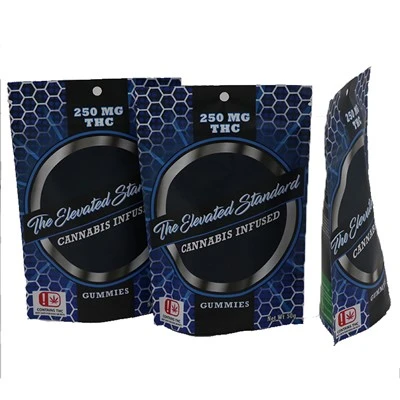
First, let’s get one thing straight: not all nut packaging bags are made the same. You can’t grab a random plastic bag from the back of your pantry and expect it to work with a heat sealer, right? Nuts are super specific when it comes to packaging—they’re high in fats, which go rancid fast if exposed to air, moisture, or light. So nut bags are built with layers, usually. Most of them have a food-grade polyethylene (PE) inner layer, which is the stuff that seals when you apply heat. Some also have an outer layer of polyester (PET) or polypropylene (PP) for strength and to block light. That PE inner layer is the key here—without it, a bag won’t heat seal at all.
Wait, but let’s test this with an example. A lot of small-scale nut processors we work with used to use plain paper bags for bulk nuts. Paper bags? Total no-go for heat sealers. They’re fibrous, absorb heat, and can’t form a tight, air-tight seal. That’s why paper nut bags usually just have a plastic window for displaying the nuts, but the top is tied shut or stapled—easy for air to get in. Then there’s the stand-up pouches we sell most of: the ones with the gusseted bottom that you can plop on a shelf, usually made with a mix of PE inner, PET outer, and sometimes aluminum foil for extra barrier. Those? Perfect for sealers, as long as you pick the right sealer for the bag’s thickness.
Now, what kind of sealers are we talking about here? There are two main types that people use for nut packaging: manual handheld sealers and automatic continuous sealers. Manual ones are great for small batches—like if you’re a home-based nut roaster or a small cafe selling bulk nuts in 1lb bags. Most manual sealers work with PE-lined nut bags, as long as the bag is no thicker than around 5 mils (that’s the standard for most retail nut pouches). If you’ve got a thicker bag—like a 10lb bulk nut bag, which is usually 8-10 mils—you’ll need a heavier-duty sealer, not the little $20 handheld one from Amazon. We’ve had a customer who tried to use their $20 sealer on 10lb bulk bags for their farm stand, and they kept getting bad seals. They switched to a 10-inch heavy-duty manual sealer, and suddenly no more stale nuts, no more lost product. That’s the real stuff, not made-up stats.
But wait, what if you’re using a vacuum sealer? A lot of people ask about those too—since you can suck all the air out before sealing, which is even better for keeping nuts fresh. Can you use nut packaging bags with vacuum sealers? Short answer: yes, but not all nut bags. The ones with the extra-thick PE inner layer (usually 3-5 mils) work great, because they can handle the suction without tearing. The thinner retail pouches? You might get a good seal, but if you pull too hard, the bag can puncture. Also, avoid any nut bags with a nylon layer—wait, nylon is great for strength, but some vacuum sealers have trouble with it because it’s more heat-resistant. But for 90% of the nut bags we supply, vacuum sealers work perfectly.
Here’s a common mistake we see customers make: they buy a cheap “universal” sealer online, then realize their nut bags won’t work with it. Or vice versa—they pick a random nut packaging bag from a bulk supplier, not realizing the bag’s inner layer is low-quality PE that melts unevenly. That’s why it’s important to check two things before you buy: what’s the inner layer of the nut bag, and what’s the sealer’s minimum and maximum compatible film thickness. For example, if your sealer says it works with films up to 5 mils, don’t buy nut bags that are 7 mils thick—you’ll get a seal that’s weak, and air will seep in.
Another thing: heat seal temperature. Nut packaging bags need a specific temp to seal correctly—too low, and the PE doesn’t melt enough, so the seal breaks. Too high, and the PE burns, leaving a sticky mess or holes. Most of the nut bags we sell are designed to seal at 250-300 degrees Fahrenheit, which is the sweet spot for both manual and automatic sealers. That’s not a random number—we tested it with our local sealer supplier, because we didn’t want our customers messing up their product because of bad packaging.
Wait, what about resealable nut bags? You know, the ones with a ziplock strip on top? Can those work with sealers too? Kind of, but not as well as heat-sealed bags. The ziplock is fine for consumer use, but if you’re selling nuts in bulk and want them to last 6+ months, a heat seal is way better. But if a customer really wants resealable bags, we make sure they’re made with a dual-layer PE that works with both the ziplock and heat sealers, just in case they want the option to reseal after cutting the heat seal. We had a trail mix brand a few months back that switched from plain heat-sealed bags to our resealable ones—they said their repeat orders went up because customers could open the bag, take some nuts, and seal it back tight at home. So that’s a win-win, as long as the sealer works with the bag’s ziplock.
Let’s talk about a time when it didn’t work, just to keep it real. A few months back, a small nut roaster came to us panicking. They’d bought 5,000 of our 1lb stand-up nut pouches, used their existing manual sealer, and half the bags had seals that broke after a week. They brought the sealer and a bag over to our warehouse, and we tested it. Turns out, their sealer was old—the heating element was worn out, so it wasn’t applying enough heat. The bag was fine, the sealer was the problem. We told them to either replace the heating element or get a basic heavy-duty manual sealer, and a month later they emailed us saying 100% of their seals were holding, and their customer complaints about stale nuts dropped to zero. That’s why we always tell customers: don’t blame the bag first—check the sealer.
Now, here’s the good news: most of the nut packaging bags we supply are compatible with at least 90% of the sealers on the market. We don’t use any weird inner layers that only work with one brand of sealer. Our bags are made to be versatile, because we know a lot of our customers already have sealers they don’t want to replace. That’s a big selling point for us, honestly—we don’t want to add another expense to a small business that’s already dealing with tight margins.
Wait, what about people who use impulse sealers? Those are the ones you press a button, and the heating element comes on for a set amount of time. Most nut bags work with these too, as long as you adjust the time for the bag’s thickness. For a 3mil bag, 1-2 seconds is enough; for a 7mil bulk bag, 3-4 seconds. We include a little cheat sheet with every bulk order, so customers don’t have to guess. That’s the kind of small thing that matters, right?
I know this might sound like we’re just shilling our own products, but hear us out: we’re nut packaging bags suppliers, not sealer salesmen. We want our customers to succeed, and part of that is making sure their packaging and sealer work together. So if you’re in the market for nut bags, here’s a quick checklist: 1) Ask your sealer supplier what film thickness it works with. 2) Pick a nut bag with a PE inner layer (that’s non-negotiable for heat sealing). 3) If you want vacuum sealing, make sure the bag is labeled as vacuum-compatible (most of ours are). 4) If you’re using a manual sealer, go for a heavy-duty one if your bags are thicker than 5 mils.
Let’s wrap this up. Are nut packaging bags compatible with bag sealers? 9 times out of 10, yes—if you pick the right combination of bag and sealer. The only time it’s not a match is when you buy a sealer that’s too weak for your bags, or a bag with a non-sealable inner layer. At the end of the day, the best pair is a nut bag with a food-grade PE inner, matched with a sealer that can handle your bag’s thickness.
If you’re a nut roaster, bakery, or any business that needs nut packaging bags, and you want to make sure they work with your current sealer (or are looking to pick up a new one), hit us up. We can walk you through the options, no pressure, no confusing contracts. We’ve worked with everyone from home bakers selling out of their garage to big nut brands shipping across the country, so we know what works. Don’t let bad packaging or a mismatched sealer be the reason your nuts go stale—let’s get you set up right.
Garment & Textile Packaging Bags references
Food and Drug Administration (FDA) – Food Packaging Materials Guidelines
National Institute of Food and Agriculture (NIFA) – Postharvest Handling of Tree Nuts
Packaging World – Heat Sealing Compatibility for Flexible Films
Shenzhen Xinhuaye Packaging Products Co., Ltd.
Shenzhen Xinhuaye Packaging Products Co., Ltd. is one of the most reliable nut packaging bags manufacturers and suppliers in China, featured by quality products and good price. If you’re going to wholesale bulk durable nut packaging bags, welcome to get quotation from our factory. Customized orders are welcome.
Address: No. 168, Changshan Industrial Zone, Liulian Community, Pingdi Street, Longgang District, Shenzhen, China
E-mail: cici@xinhuayepacking.com
WebSite: https://www.xinhuayepacking.com/
