If you’ve ever spent time on a farm or even visited a local farmers’ market, you probably don’t immediately think “FRP process equipment.” But let me tell you—if you’re in agriculture, this stuff is way more useful than you might realize, and as a FRP process equipment supplier, I’ve seen firsthand how it’s quietly fixing problems that traditional materials just can’t handle. Let’s break down the real, no-BS applications that matter for farmers, growers, and agribusiness owners, no fancy jargon, just what works. FRP Process Equipment

First off, let’s get what FRP is out of the way quick—Fiber Reinforced Polymer, right? It’s that lightweight, super-strong material made by mixing plastic resin with glass fibers (sometimes carbon, but mostly glass for ag uses) that doesn’t rust, rot, or absorb water like metal or wood. That’s a game-changer when you’re dealing with dirt, rain, fertilizers, and all the messy stuff farms throw at equipment.
One of the biggest uses we see every day is in irrigation systems. You know, the pipes that run through fields to feed crops? Traditional metal pipes corrode over time, especially if you’re using acidic or alkaline water, or water laced with fertilizer runoff. A metal pipe might rust through in 5-10 years, leading to leaks, wasted water, and soil erosion. FRP pipes? They last 20+ years, no corrosion, and they’re way lighter to install than steel—so farmers don’t need a huge team or heavy machinery to run them across uneven fields. We’ve had clients swap out old steel lines on their nut orchards and cut maintenance costs by 70% in the first two years. They also handle high pressure way better than PVC, which can crack when you’re pushing water uphill or through large plots. And let’s not forget: many FRP systems are customized for drip irrigation lines too, not just big main pipes, so they don’t clog with mineral buildup like other materials.
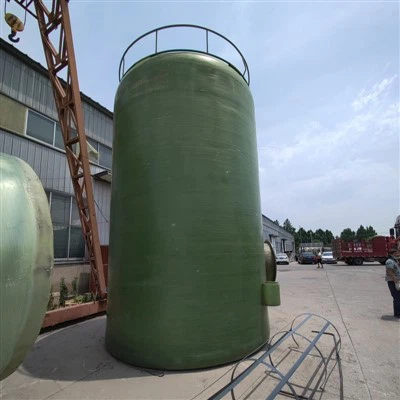
Next up, fertilizer and chemical storage and handling. Farmers aren’t just storing water—they’ve got tons of different stuff: nitrogen-based fertilizers, pesticides, herbicides, even manure slurry for compost. Traditional steel tanks will corrode if you store acidic fertilizers like ammonium nitrate or alkaline ones like lime solutions, and wood rots, which leads to leaks that can contaminate soil or groundwater. FRP tanks? They’re inherently resistant to almost all agricultural chemicals, no lining needed (the fancy liners on metal tanks often crack after a few fills, causing leaks). We’ve supplied 10,000-gallon FRP storage units to family farms and big ag operations alike, and even used ones from 10 years back still don’t show any wear. Also, FRP is non-porous, so it won’t absorb odors from manure or leach any chemicals into the stuff you’re storing. Some growers even use smaller FRP tanks for mixing crop sprays, since they won’t react with the ingredients, so your spray stays effective instead of getting contaminated by a rusty old barrel.
Then there’s wastewater and manure management—huge right now with all the regulations around farm runoff. Manure lagoons and treatment systems? Again, FRP liners and processing equipment are way better than concrete or steel. Concrete can crack over time from soil shifting or freeze-thaw cycles, letting manure seep into groundwater. FRP liners are flexible, so they move with the ground, no cracks, and they’re resistant to the high ammonia content in manure. We’ve worked with livestock farms to replace old concrete lagoon liners with FRP panels, and they haven’t had a single leak in five years, which saved them hundreds of thousands in potential compliance fines. Also, when you’re processing manure into biogas or compost, FRP mixers and processing tanks handle the heavy, corrosive slurry without wearing down. Metal mixers would bend or corrode so bad you’d have to replace them every few years—our FRP mixers last a decade minimum, and they’re lighter, so you use less fuel running them.
Greenhouse and hydroponic systems are another big one, especially as more people move to year-round growing. FRP panels are perfect for greenhouse walls and roofs? Wait, no—wait, not just that. They’re lightweight, can be molded into any shape, and they have excellent light transmission without being brittle. But more importantly, the structural parts of greenhouses: support beams, shelf systems for hydroponic trays, even the frames for grow tables. Wood shelves warp when they get wet from misting systems, metal shelves rust, but FRP shelves stay straight, no mold, and they’re easy to clean between crops. We’ve had urban hydroponic farms set up entire grow rooms with FRP shelving, and they say cutting down on cleaning time is a huge win—no more scrubbing rust stains off trays or replacing warped wood every season. Also, some greenhouse vent ducts are made from FRP because they resist mold and mildew, which is a big deal for preventing plant diseases.
Wait, what about soil stabilization and erosion control? A lot of people don’t connect FRP here, but we make FRP geogrids and erosion control mats for farm fields, especially on sloped land or along stream banks. These mats are woven from FRP fibers, so they don’t rot like natural fiber mats (jute, coir) that break down after a year. They hold soil in place while crops establish, and they’re strong enough to handle heavy rain or even livestock walking over them. Farmers on hilly land swear by these, because traditional natural mats need to be reapplied every growing season, which adds cost and labor. FRP mats last 3-5 years, so you only put them down once, and they still biodegrade slowly if you want to plant cover crops on top, so no waste.
Now, let’s talk about the stuff that doesn’t get as much press: waste processing for farms. A lot of farms generate organic waste—crop residues, spoiled produce, food scraps (if they’re on the processing end)—that they turn into compost or biochar. FRP shredders and grinders for this waste? They don’t rust from the moisture and organic acids in the waste, and they’re lighter than metal shredders, so easier to move around the farm. We also supply FRP bins for collecting organic waste, since they don’t absorb moisture, so the waste breaks down more evenly, no moldy spots sitting in a waterlogged bin. That cuts down on compost time by a week or two, which is a big deal for farmers turning compost into a side income or selling it to local gardeners.
Wait, I should be real here—no material is perfect, right? FRP isn’t the cheapest upfront, especially for small farms. But when you add up the long-term savings: less maintenance, no replacement costs, less water and chemical waste, it usually pays for itself in 2-3 years. I’ve seen a 50-acre vegetable farm go from spending $12,000 a year on repairing metal pipes and tanks to spending $3,000 a year on maintenance for FRP equipment— That’s a huge difference. Also, FRP is customizable: we can cut it to any size, mold it into odd shapes, so if a farmer has a weirdly shaped field or a specific tank size that’s hard to find, we can make it for them, no problem.
A lot of new farmers are also into sustainable practices, and FRP fits right in. It’s recyclable in most cases (though we’re still working on better recycling methods for agricultural FRP, but right now, most of it is reused or repurposed), and it reduces the need for harsh chemicals to prevent rust or rot. That aligns with what a lot of farmers want: less impact on the environment, less exposure to toxic chemicals for themselves and their crops.
Now, if you’re a farmer or agribusiness owner reading this, and you’ve been dealing with corroded tanks, leaky pipes, high maintenance costs, or just equipment that doesn’t hold up, you don’t have to keep putting up with it. We’re a FRP process equipment supplier that’s worked with farms big and small for over a decade, and we can help you design the right equipment for your specific needs—whether it’s irrigation pipes, fertilizer tanks, lagoon liners, or greenhouse parts. We don’t do one-size-fits-all here; we’ll listen to what your farm deals with, what your budget is, and build something that works for you, not just our catalog.
If you’re tired of replacing equipment every few years, tired of wasting water or chemicals because of rust or leaks, it’s worth reaching out. We can walk you through the options, give you a quote, and even help with installation if you need it. No pressure, no sales pitches, just straight talk about what will work for your farm.
FRP Process Equipment References
- American Society of Agricultural and Biological Engineers (ASABE). (2021). Applications of Fiber-Reinforced Polymer Composites in Agricultural Infrastructure. ASABE International Meeting Proceedings.
- USDA Agricultural Research Service (ARS). (2022). Durability of FRP Storage Tanks for Agricultural Chemicals. Journal of Agricultural Engineering Research.
- National Agricultural Statistics Service (NASS). (2023). Farm Maintenance Cost Trends for Irrigation and Storage Equipment. USDA Report.
- International Fiber Reinforced Polymer Association (IFRPA). (2021). FRP Erosion Control Solutions for Sloped Agricultural Land. Journal of Sustainable Agriculture.
Hebei Weihan Environmental Protection Equipment Co., Ltd.
We’re well-known as one of the leading FRP process equipment manufacturers and suppliers in China, featured by quality products and good service. Please rest assured to buy customized FRP process equipment at competitive price from our factory. Contact us for more details.
Address: No. 666 Chuangye Road, Zaoqiang County, Hengshui City, Hebei Province
E-mail: weihanmachine@gmail.com
WebSite: https://www.whanfrp.com/
