If you’ve ever stood in front of a heat exchanger application, scratching your head wondering why the gasket that worked last year failed this time around, you’re not alone. As a Swep gaskets supplier who’s been in this game for over a decade, I’ve heard this exact frustration from plant managers, HVAC engineers, and food processing operators more times than I can count. The truth is, choosing the right gasket material isn’t just about picking something that “fits” the plate—it’s a balance of chemistry, temperature, pressure, and the specific quirks of your process. Too many people default to the cheapest option or the one they used last, only to end up with leaks, downtime, or replacement costs that blow their budget. Today, I’m breaking down exactly how to cut through the noise and choose the right Swep gasket material for your unique needs. Swep Gaskets
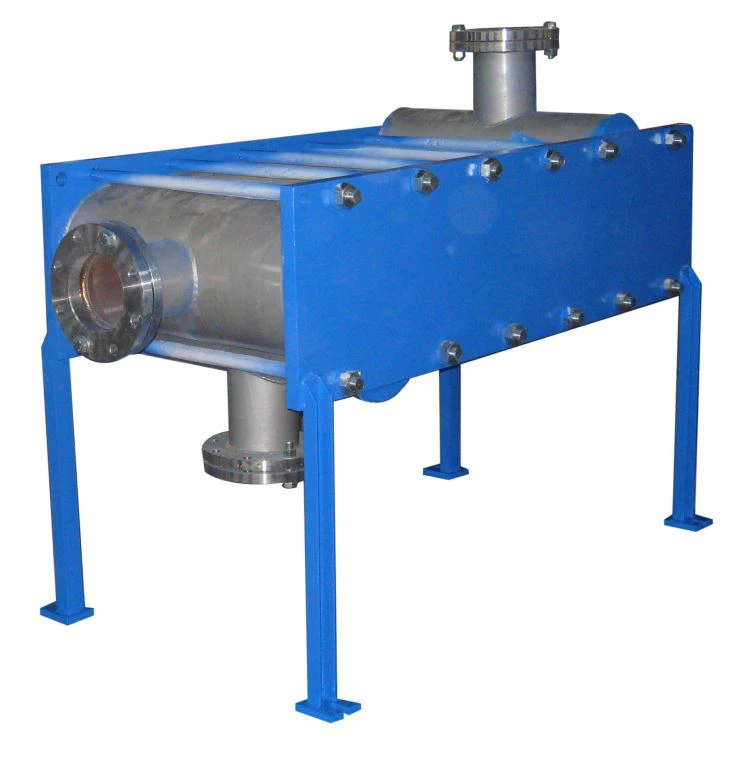
Let’s start with the basics: Swep gaskets aren’t one-size-fits-all. Swep engineers design each gasket material to interact with specific fluids and operating conditions, and mismatching them is the #1 reason we get calls about premature failure. First, you need to nail down the core variables of your process: the fluid’s type, temperature range, pressure, and any contaminants or additives present. I once worked with a craft brewery that used a generic EPDM gasket for their wort heating process, thinking it was fine because it handled water. Within three months, the gasket had swollen so much that it warped the heat exchanger plates, costing them $12,000 in repairs and a full day of lost production. Turns out, wort has high alcohol content and hop oils that break down standard EPDM—they switched to a nitrile butadiene rubber (NBR) gasket designed for alcoholic solutions, and haven’t had an issue in four years. That story sticks with me because it highlights how a small misstep can snowball fast.
First stop: Fluid compatibility. This is non-negotiable. If your process involves food and beverage, you can’t just grab any material—you need something that meets regulatory standards like FDA 21 CFR or EC 1935/2004. For dairy processing, for example, we recommend Swep’s food-grade EPDM (F-EPDM) gaskets because they resist the lactic acids in milk and are approved for repeated sanitization with high-temperature water or food-grade chemicals. For industrial applications, like chemical processing or power generation, you need to consider both the process fluid and any cleaning-in-place (CIP) solutions used between runs. A common mistake here is forgetting CIP chemicals: a gasket that works fine with your base fluid might degrade when exposed to the caustic soda or nitric acid used to clean the heat exchanger. For CIP-heavy processes, Swep’s high-performance fluoroelastomer (FKM) gaskets are the go-to—they stand up to both harsh chemicals and extreme temperatures, which makes them perfect for applications like pharmaceutical manufacturing where cross-contamination is a major risk. Next, don’t overlook abrasive fluids. If you’re handling slurries, wastewater with high sediment, or pulp and paper stock, standard rubber gaskets will wear out in weeks. Swep’s reinforced NBR gaskets, which have a woven fabric core for extra tensile strength, hold up to abrasion way better than solid rubber—we’ve had sugar refineries use these for years without needing full gasket replacements, even with fine sugar solids in their process water.
Next, temperature and pressure. This is the next critical check, because even a compatible fluid can eat through a gasket if it’s operating outside its temperature range. Let’s get specific: EPDM gaskets, for example, perform best between -40°C and 150°C, making them ideal for low-to-medium temperature applications like HVAC heating and cooling, or pasteurization for food products. Push that above 150°C, and EPDM starts to harden, crack, and lose its seal. That’s where FKM comes in—they can handle continuous temperatures up to 200°C, and short peaks up to 230°C, which is why they’re used in applications like hot oil heating or steam systems. On the flip side, if you’re working with very cold fluids, like cryogenic cooling for data centers or liquefied gas processing, you need a material that stays flexible at low temps. Standard NBR gets brittle below -30°C, so Swep’s silicone gaskets (VMQ) are the right call here—they remain elastic down to -60°C, so they won’t crack when temperatures drop. Pressure is closely tied to temperature too: higher operating pressures put more stress on the gasket, so a thicker, reinforced material is necessary. For high-pressure applications (above 10 bar), Swep’s compressed asbestos fiber (CAF) gaskets are still a solid choice when compatible, but for modern, low-maintenance setups, our high-density NBR gaskets with pressure-optimized design work well too—they distribute pressure evenly across the plate, reducing hot spots and leaks. I can share another example: a commercial laundry chain that was using standard gaskets for their hot water heat recovery system. The system ran at 12 bar and 140°C, which was just at the upper limit of their old EPDM gaskets. They switched to our reinforced high-temperature NBR gaskets, and their gasket life doubled, cutting their annual replacement and downtime costs by 30%.
Now, application-specific use cases. This is where you have to tailor the material to what you’re actually using the heat exchanger for, not just the general conditions. Let’s break down the most common sectors our clients serve:
Food and beverage: As I mentioned earlier, regulatory compliance is king here. You can’t use a gasket that leaches chemicals into food, and you need to handle regular sanitization. For pasteurization, F-EPDM is perfect because it stands up to hot water and food-grade sanitizers. For wine or beer production, which has higher alcohol and pH variability, NBR is often better than EPDM—it resists alcohol and hop acids without leaching. For distillation, where temperatures hit 180°C and higher, FKM is the only way to go, as it doesn’t degrade in high-alcohol steam.
HVAC and refrigeration: These applications have wide temperature swings, and often use refrigerants like R22, R410A, or ammonia. For standard air conditioning, EPDM works well with water and most common refrigerants, but for ammonia systems— which are corrosive to many materials—Swep’s ethylene propylene diene monomer (EPDM) gaskets with specific ammonia-resistant additives are the right pick. Avoid NBR here, because ammonia breaks down the rubber’s molecular structure, leading to leaks. For low-temperature refrigeration, like walk-in freezers or cold storage, silicone gaskets are best, as they stay flexible at sub-zero temps and resist refrigerant oils.
Industrial and chemical processing: This is the broadest category, with the most variable conditions. For general water-based processes, standard EPDM is cost-effective and reliable. For corrosive chemicals, like acids or bases, FKM is the gold standard, though we also offer specialty materials like ethylene acrylic rubber (AEM) for moderate chemical exposure where FKM is overkill. For abrasive slurries, like mining or mineral processing, reinforced NBR is the clear choice—its woven core prevents tearing from solid particles. For applications with high steam exposure, like power plant condensate systems, compressed asbestos fiber gaskets are still a trusted option, though we also offer fiberglass-reinforced FKM for clients looking to avoid asbestos entirely.
Maintenance and longevity shouldn’t be an afterthought either. When choosing a gasket material, you also have to think about how easy it is to install, replace, and maintain. Some materials are more forgiving during installation—for example, EPDM is soft and easy to align on heat exchanger plates, which reduces the risk of tearing during installation. FKM is firmer, so it requires a bit more care during installation, but it lasts longer in harsh conditions. Another point: if you’re doing frequent gasket replacements (like in a CIP-heavy food plant), you’ll want a material that’s easy to remove without leaving residue on the plates. Swep’s EPDM gaskets have a smooth surface that doesn’t stick to plates, which speeds up replacement time and reduces the chance of plate damage. For clients looking to extend gasket life between replacements, our reinforced materials are the way to go—they resist both chemical degradation and physical wear, so you’re not swapping gaskets every few months.
A common myth I hear is that all Swep gaskets are the same—they’re not, and that’s intentional. Our R&D team tests every material across hundreds of conditions, so we can match a specific material to your exact process. When I work with a new client, I don’t just ask “what size heat exchanger do you have?” I ask what fluid they’re handling, what the average operating temperature and pressure is, what sanitization methods they use, and even how often they plan to do maintenance. That level of detail lets us recommend a gasket that’s not just compatible, but optimized for their process’s specific pain points. For example, a data center client came to us worried about leaks in their coolant heat exchangers, which are critical for preventing server downtime. Their process used deionized water, ran at 80°C, and had a 12 bar pressure rating. We recommended our reinforced high-temperature NBR gaskets, which resisted deionized water, handled the pressure, and were easy to replace during scheduled maintenance. They’ve had zero leaks in two years, which has saved them millions in potential server damage costs.
Let’s also address cost. It’s easy to look at a gasket price per piece and default to the cheapest option, but that’s a short-sighted move. A $5 EPDM gasket that fails in three months will cost you more in downtime, repairs, and replacements than a $12 NBR gasket that lasts two years. When you factor in total cost of ownership (TCO), the right material almost always pays for itself. I’ve seen clients save up to 40% annually on heat exchanger maintenance by switching to a slightly more expensive, longer-lasting gasket material. It’s not just about the initial cost—it’s about avoiding the hidden costs of leaks, lost production, and emergency repairs.
So, to wrap this up, here’s a quick checklist to use when choosing your Swep gasket material:
- Map your process details: List all process fluids, CIP solutions, temperature ranges, pressure ratings, and contaminants.
- Check regulatory requirements: If your process is in food, beverage, pharmaceutical, or medical industries, confirm required certifications.
- Match material to conditions: Cross-reference your details with material compatibility charts, and don’t forget to account for both process and cleaning conditions.
- Factor in maintenance and longevity: Consider how often you’ll need to replace gaskets, and how easy installation/removal is.
- Calculate total cost of ownership: Compare not just gasket price, but downtime and replacement frequency when making your choice.

At the end of the day, choosing the right Swep gasket material is about balancing science with real-world application. It’s not just about picking a rubber that fits—It’s about preventing costly downtime, protecting your equipment, and keeping your process running smoothly. If you’re still unsure which material is right for your heat exchanger, don’t guess. Reach out to our team to discuss your specific requirements, and we’ll help you find the perfect gasket for your needs.
ITT Plate References:
- Swep International. (2022). Gasket Material Compatibility and Application Guide.
- ASTM International. (2021). Standard Test Methods for Rubber Property—Compression Set, Constant Force Deflection Method.
- Food and Drug Administration. (2023). 21 CFR Part 177 – Indirect Food Additives: Polymers.
- European Committee for Standardization. (2020). EN 12576: Heat Exchangers – Gaskets for Plate Heat Exchangers – Requirements and Test Methods.
- Swep R&D Team. (2023). Long-Term Performance of Reinforced Elastomer Gaskets in Abrasive and Corrosive Process Fluids.
WTSML Heat Transfer Technology Co., Ltd.
As one of the most professional swep gaskets manufacturers and suppliers in China, we have world-leading production equipment and strong manufacturing capabilities. We warmly welcome you to wholesale advanced swep gaskets made in China here from our factory. Customized orders are welcome.
Address: Qiaoxing Road 150, Torch Industrial Zone, Licheng Area, Quanzhou, Fujian, China
E-mail: phe@wtsml.net
WebSite: https://www.phe-service.com/
