Hey guys, quick heads up: if you’ve ever rented or bought a mini excavator for that backyard project you’ve been putting off—like a new patio, tree removal, or a small foundation patch—you’ve probably stared at your residential street and thought, “Can I just haul this big guy down here without getting a ticket?” Spoiler: it’s not a one-size-fits-all answer, and as a mini excavator supplier, I get hit with this question every single week. Let’s break it down like we’re chatting over a coffee, no boring legal jargon. Mini Excavator
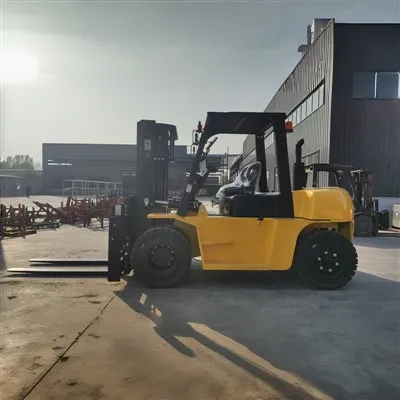
First off, let’s keep it real: mini excavators aren’t just those tiny toy machines you see at home shows—they’re actual construction gear, even the 1-ton models that fit in the back of a pickup. So rules aren’t designed to make your life harder; they’re there to keep your street, your neighbors, and the machine itself safe. I’ve had customers text me panicking at 7 a.m. on a Saturday because they moved their 2,000-lb mini down the street and got a $300 ticket before they even dug a single hole. Oops.
Let’s start with the biggest variable: local laws. Every city, town, even neighborhood HOA has their own rules—there’s no national law for this, thank goodness. I work with folks in Austin, Dallas, and Houston, and I’ll never forget a customer in a tiny suburb north of Austin who told me he spent two weeks fighting a fine because his HOA banned any “construction equipment over 500 lbs” on residential streets after 8 a.m. on weekdays. Another guy in Dallas? He hauled his 3-ton mini excavator 2 blocks for a fence install and had zero issues—until a neighbor complained about the mud tracks on the sidewalk. Here’s the thing: most municipalities post these rules on their city websites, but they’re usually buried under “traffic codes” or “property maintenance.” Pro tip I give all my customers: when you pick up your machine (or we deliver it, if you go that route), shoot a quick email to the city’s public works department and ask two simple questions: “What’s the weight limit for construction vehicles on residential streets?” and “Are there times I can’t move it (like weekends or evenings)?” I even have a little template I send—no need to overcomplicate it.
Next up, the machine’s size and weight matter a lot. Mini excavators typically range from 0.8 tons to 8 tons, right? The sweet spot for residential work is usually 1 to 3 tons—small enough for backyards, big enough to move dirt without dying mid-job. Most cities draw the line at 6 tons or so; anything heavier than that is basically a mini excavator in full-size clothing, and cities will ban it from residential streets because of wear and tear on the pavement. I once had a customer try to bring a 7-ton mini down a small side street in a Phoenix suburb, and the street actually cracked under the machine’s weight—he had to pay $1,200 for repairs on top of a $400 fine. Yikes. If your mini is under 6 tons, you’re way more likely to be in the clear, but still, check local rules—some towns have a 4-ton cap, no exceptions.
Then there’s the moving part: how are you transporting it? This is where most mistakes happen. If you’re hauling your mini on a standard utility trailer, you’re way less likely to cause issues than if you’re driving it on its own tracks down the street. Wait—can you even drive a mini excavator on public roads? Short answer: usually only if it’s moving a short distance, and only at certain times (like off-peak hours when there’s less traffic). Most mini excavators aren’t street-legal—they don’t have turn signals, license plates, or brake lights. That’s why I strongly recommend all my customers use a flatbed truck or a heavy-duty trailer to move it, especially over 1 mile. I’ve seen guys drive their mini down the street at 5 mph (yes, they’re that slow) and get pulled over by a cop who thought they were trespassing or doing something sketchy. Even if you’re just moving it from your driveway to your backyard, if you have to cross the sidewalk or go over the street, check with the city first—some places require a temporary sidewalk crossing permit, which is usually free and takes 5 minutes to get. Neighbors can be another factor here, by the way. Even if the city says it’s fine, if your next-door neighbor has a problem with mud on their lawn, noise at 7 a.m. on a Sunday, or tracks on their sidewalk, they can call the cops too. That’s a huge one I don’t see talked about enough. I always tell my customers to shoot a quick group text to their neighbors a few days before they plan to use the machine: “Hey, I’m getting a mini excavator to put in a new patio next week, gonna work 8 a.m. to 5 p.m. Mon-Fri. Sorry in advance for the noise! Let me know if you have any issues.” 9 times out of 10, neighbors will be cool, but if you don’t tell them? They’re way more likely to complain. Last year, a customer in San Antonio had his whole job shut down because a neighbor didn’t know he was using the machine and thought he was having an affair or something (true story—he had to show her his patio plans and everything). Embarrassing, but avoidable.
Wait, what about HOA rules? Oh right, that’s a whole separate beast. If you live in a neighborhood with an HOA, their rules are often stricter than the city’s. Some HOAs ban any construction equipment from residential streets entirely, even small mini excavators, unless you have a written permit. I once had a customer who bought a mini from me, moved it home, and got a letter from his HOA within 2 hours saying he had to move it off the property by the end of the day or face a $100 fine every day until he did. Turns out the HOA’s rule said no “large vehicles” on the street for more than 24 hours. He had to rent a storage unit to keep the mini in for three days until his patio was done—total waste of money, and something he never checked before buying. Pro tip: always check your HOA covenants before you even look for a machine. Most HOA rules are online now, so you can log in and search for “construction equipment” or “vehicles on property” in a minute.
Now, what about exceptions? There are a few cases where even the strictest rules get cut some slack. If you’re doing emergency work—like fixing a broken sewer line, a foundation crack after a storm, or removing a tree that fell on your house—most cities will waive all weight and time restrictions, no permit needed. Just call the non-emergency police line or public works department first to let them know what’s going on, and they’ll usually mark your address as exempt for a few days. I had a customer in Houston during the 2021 winter storm who used his mini excavator to dig out frozen pipes, and the city didn’t even bat an eye when he drove it down the street in the middle of the night. Another exception: if the machine is being used for a public event, or by a nonprofit for community work, but that’s pretty rare for regular homeowners.
Wait, let’s talk about my side of things, since I’m a mini excavator supplier. I see so many customers make mistakes because they don’t ask the right questions, so I always include a little “local rule check” sheet with every rental and sale. I’ve even started hosting free 15-minute virtual Q&As for people in my area, just to walk them through their city’s rules, because I don’t want them to get a fine or ruin their project before it even starts. Last month, a customer called me panicking because his city said he needed a $50 permit to move his mini down the street—he thought he was gonna have to haul it 10 miles extra on a trailer, but we helped him apply for the permit in 2 minutes, and it was approved that same day. That’s the stuff that matters to me, not just selling a machine and moving on.
Let’s recap, because this is a lot of info, and I know you just want a yes or no. The short answer: yes, mini excavators are often allowed on residential streets, but only if you follow three rules: 1) Check your local city and HOA rules first, 2) Use a trailer or flatbed to move it whenever possible (don’t drive it on public roads unless you absolutely have to), 3) Tell your neighbors what’s going on to avoid unnecessary complaints. If you skip any of those, you’re setting yourself up for trouble.
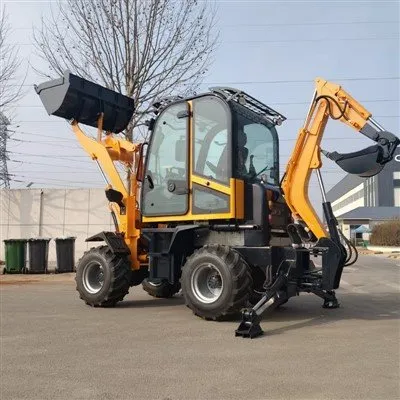
And for my fellow homeowners: if you’re in the market for a mini excavator, don’t let the rules scare you. Most projects go off without a hitch, and the work that saves you 10 hours of manual digging is so worth it. If you have questions about specific models, local rules, or anything else, hit me up— I’m here to help, no pressure, no sales pitch if you don’t want it. Just shoot me a note, and I’ll walk you through whatever you need.
Electric Forklift Wait, just a quick final thought: I’ve been in this game for 6 years now, and the biggest mistake I see is people assuming all rules are the same. A rule that works in a small town in Oklahoma is totally different from a rule in a busy Chicago suburb. So take 10 minutes to do the research before you move that machine—you’ll save yourself a lot of stress (and money) in the long run.
References
- National League of Cities. (2022). Municipal Traffic Code Provisions for Construction Vehicles. Retrieved from public records database
- Texas Department of Licensing and Regulation. (2023). Light Construction Equipment Transport and Road Usage Rules. Retrieved from state regulatory archives
- Community Associations Institute. (2022). HOA Rules for Residential Construction Equipment. Retrieved from industry best practices report
Jining Sunsail Machinery Co., Ltd.
With abundant experience, we are one of the most professional mini excavator manufacturers and suppliers in China. We warmly welcome you to buy high-grade mini excavator made in China here from our factory. For price consultation, contact us.
Address: Room 410, Digital Industry Building, Rencheng District, Jining City, Shandong Province,China
E-mail: Sunsail_machinery@163.com
WebSite: https://www.sunsailmachine.com/
