What’s a Trunnion Mounted Special Valve, and Why Should You Care? Special Valve
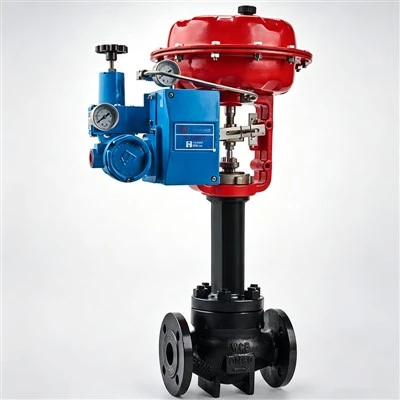
Let’s be real—when you’re deep in the oil, gas, petrochemical, or even wastewater industry, the last thing you want is a valve failing mid-job. A single leak or a stuck valve can shut down a whole operation, cost thousands in downtime, and even pose safety risks. That’s where trunnion mounted special valves come in. If you’re a plant engineer, procurement lead, or maintenance manager, you’ve probably heard the term thrown around, but maybe you’re not totally clear on what makes it “special” and how it’s different from a standard ball valve. Let’s break it down like we’re chatting over coffee, no stuffy industry jargon that makes your eyes glaze over.
First, let’s start with the basics you probably already know: most valves control fluid flow, right? A ball valve uses a spherical disc (the ball) with a hole in the middle to open or close that flow. The trunnion mount part refers to how that ball is held in place, not just by the stem you turn with a wrench or actuator. Here’s the thing about standard floating ball valves—they’re simple, cheap, work for basic applications. But push them to extreme conditions: high pressure, high temp, abrasive fluids, or really long open/close cycles, and they start to show their limits. That’s where our special valve line, built on trunnion mounted design, steps in.
Why is the trunnion mount a game-changer? Let’s visualize it: the ball isn’t just sitting on top of the stem like a beach ball on a stick. It’s supported by two trunnions—short, sturdy shafts on either side of the ball that lock it into the valve body. One trunnion connects to the stem, and the other is a fixed support at the opposite end. That takes way more pressure off the stem and the ball itself. For standard floating valves, high pressure pushes the ball against one side of the seat, which can cause the seat to wear out faster or even deform under extreme force. With a trunnion mount, the pressure is balanced by those two shafts, so the ball stays centered, the seats wear evenly, and you’ve got a way more reliable seal.
Now, what makes this a “special valve” versus a standard one? A special valve isn’t just a fancy ball valve—it’s customized for the specific, harsh conditions most standard valves can’t handle. Let’s name a few of those scenarios. If you’re working in upstream oil and gas, where you’re dealing with raw, dirty crude that has sand, minerals, and other abrasives floating in it? A trunnion mounted special valve uses hard-faced seats and a ball that’s coated (think chrome or tungsten carbide) to resist that abrasive stuff. No more replacing valves every few months because the sand wore through the seat.
Or if you’re in a petrochemical plant, where you’re moving corrosive chemicals—acids, solvents, sour gas—that eat away at metal parts? We can spec the valve body and trunnions out of duplex stainless steel, Hastelloy, or even exotic alloys like Inconel to stand up to that corrosion. Standard valves use carbon steel or regular stainless, which will rust or break down way faster when exposed to those chemicals.
Another big one: high-pressure applications, like pipelines that carry gas at 1,500 PSI or more. A trunnion mounted valve doesn’t just hold the ball in place—it has a pressure-assisted seal. As the pressure inside the line goes up, it pushes a small ring around the seat tight against the ball, creating a better seal to prevent leaks. That’s way more reliable than a standard valve, which might leak at those high pressures even if it’s brand new. And for applications where you need to cycle the valve hundreds or thousands of times a year—like in a processing plant that runs 24/7—trunnion valves have a longer lifespan because the trunnion support reduces wear on all the internal parts.
Wait, but let’s clear up a common misconception. Some folks think all trunnion valves are industrial, big, clunky things. Not anymore. Our special valve line includes trunnion mounted designs for a range of sizes—from 2-inch valves for small pipeline branches to 48-inch monsters for main transmission lines. We can also adjust the design for specific requirements: emergency shutdown (ESD) functions, cryogenic temps (like for liquefied natural gas, LNG, which is -260°F), or even fire-safe ratings, which are non-negotiable in plants where a fire could turn a minor leak into a disaster.
Let’s talk about why this matters to you, the end user. I’ve talked to so many engineers who’ve had a bad experience with a standard valve: a 3-day shutdown because a valve stuck during a pressure test, a leak that led to a $50k fine for environmental compliance, or a replacement valve that didn’t fit right because it was made for generic conditions. Trunnion mounted special valves solve those problems. Let’s break down the benefits that directly impact your bottom line and peace of mind:
- Longer service life: Because the trunnion support reduces stress on the ball and seats, our valves last 2-3 times longer than standard floating ball valves in the same application. That means fewer replacement orders, less maintenance time, and lower long-term costs.
- Better leak protection: The balanced pressure design means less chance of fugitive emissions—those small, often unreported leaks that add up over time, both in lost product and compliance headaches. Our valves meet strict EPA and OSHA standards for emissions, so you don’t have to worry about that.
- Customization for your exact job: This is the “special” part. A trunnion valve for wastewater treatment is way different than one for LNG, and way different from one for chemical processing. We don’t do one-size-fits-all. You tell us what fluid you’re moving, what pressure/temp you’re working with, any corrosion or abrasion issues, and we spec the right materials, seat type, and size to fit your system.
- Compatibility with actuators: Most plants use automated actuators to open and close valves remotely, which is way safer than sending a worker to turn a huge wrench on a 24-inch valve. Trunnion mounted valves work seamlessly with these actuators because the balanced load means less torque required to operate the valve. That’s a big deal—if your actuator is sized wrong for a standard valve, it might not open when you need it, especially in an emergency.
I should also mention a few common applications where trunnion mounted special valves are non-negotiable, not just a nice-to-have. Sour gas services: sour gas has hydrogen sulfide (H2S), which makes steel brittle if you don’t use the right materials. Our trunnion valves are NACE-compliant, so they won’t fail from sulfide stress cracking. LNG terminals: cryogenic temps make regular valves shrink and crack, but we use special seat materials and expansion joints that can handle those extreme colds. Power plants, especially those with coal or natural gas boilers, where you’re moving high-temperature steam—trunnion valves can handle the heat without warping or sticking.
Now, let’s be real: you might be thinking, “This sounds great, but how do I know if I actually need a trunnion mounted special valve, or if a standard valve will work?” Let’s run through a quick checklist. If any of these apply to your operation, you’re better off talking about a trunnion valve:
- Your system operates at 1000 PSI or higher (for liquid or gas)
- You’re dealing with abrasive fluids (crude with sand, wastewater with grit, slurries)
- You work with corrosive chemicals (acids, bases, solvents)
- Your valve is part of an ESD system (needs to close fast in an emergency)
- You cycle your valve more than 100 times a year
- You’re working with cryogenic temps or extreme heat (over 500°F)
- You need to meet strict fugitive emission rules for environmental compliance
If none of those apply, a standard valve is probably fine. But if even one does? Don’t cut corners here. I’ve seen too many guys go with the cheaper standard valve, end up replacing it three times in a year, and it costs way more than buying the right trunnion valve the first time.
So, what about if you’re new to this whole trunnion valve thing? Maybe you’re not sure what materials you need, or what size fits your pipeline. That’s where we come in. As a special valve supplier, we don’t just sell you a valve and disappear. We walk you through the process: first, we ask all the right questions about your application, then we help you spec the exact valve you need, and even offer installation support if you need it. We’ve been working with plant operators for years, so we know the ins and outs of every industry’s specific requirements—no guesswork, no vague promises.
Wait, let’s address another question: is a trunnion mounted valve more expensive upfront? Yeah, a little. But here’s the math I always use with customers: a standard valve costs $1,000, needs to be replaced every 6 months, so that’s $2,000 a year. A trunnion special valve costs $2,500, lasts 3 years, so that’s ~$833 a year. Plus, you save on maintenance labor, downtime costs, and compliance fines when it works right. That’s a no-brainer for most operations. And we offer flexible pricing for bulk orders, so if you’re outfitting a whole plant, we can work with you to keep costs manageable.
I also want to touch on quality. When we build a trunnion mounted special valve, every part is tested before it leaves our shop. We do pressure tests, leak tests, cycle tests—you name it. No sending a valve out that has a tiny defect that will cause a problem in the field. We stand behind our products, too—our warranty is way better than the industry average, because we’re confident in what we make.
Let me wrap this up without dragging it out too long. A trunnion mounted special valve isn’t just a ball valve with a side mount. It’s a purpose-built, reliable solution for the toughest, most critical jobs where standard valves fall short. Whether you’re in oil and gas, petrochemical, power generation, wastewater, or any other industry that deals with high pressure, extreme temps, or harsh fluids, these valves are worth the investment.
If you’re tired of valve failures costing you time and money, if you’re ready to stop replacing cheap, generic valves and get something built for your specific needs, reach out to us. We don’t do pushy sales pitches—we just talk valves, answer your questions, and help you find the right fit for your operation. No hidden fees, no generic products, no runaround.
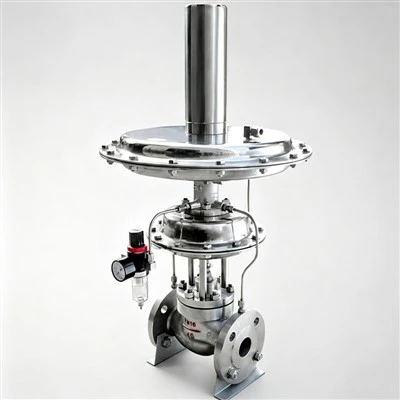
Don’t wait for a valve to fail on you mid-shift. Investing in a quality trunnion mounted special valve now will save you a lot of headaches (and cash) down the line.
Butterfly Valve References
- International Organization for Standardization. (2019). Industrial valves – Trunnion mounted ball valves for petroleum, petrochemical and related industries (ISO 14313:2019).
- American Petroleum Institute. (2020). Specification for pipeline and piping valves – Trunnion mounted ball valves (API 6D:2020).
- Valve Manufacturers Association. (2022). Trunnion mounted valve design principles and application guidelines.
Shandong Yuhong Valve Co., Ltd.
Shandong Yuhong Valve Co., Ltd. is one of the most professional special valve manufacturers and suppliers in China. With abundant experience, we warmly welcome you to wholesale high quality special valve at competitive price from our factory. Good service and punctual delivery are available.
Address: Intersection of Chuangye Avenue and Huanghe Road, Zhangdian District, Zibo City, Shandong Province
E-mail: info@yuhong-valve.com
WebSite: https://www.yh-controlvalve.com/
