Alright, let’s get real. If you’ve ever needed a sturdy door handle for an apartment, office building, or even a tiny cottage, you’ve probably never stopped to think about how that little metal (or sometimes plastic) knob or lever gets made. I’m a handle making machine supplier, and I get it—most folks don’t care about the behind-the-scenes until their old wobbly handle breaks at 2 a.m. when you’re fumbling for your keys. But here’s the thing: a door handle making machine isn’t just a “box that makes handles.” It’s the unsung workhorse of the hardware industry, and I’m gonna break it down like I would to a client who just asked, “Why does this cost more than my last lawnmower?” Handle Making Machine
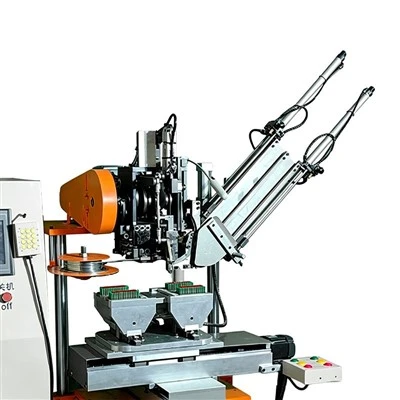
First off, let’s stop with the fancy jargon. I don’t call these things “high-precision door handle forming systems” like some sales guys. I call ’em handle making machines, plain and simple. That’s what they do. But let’s dig into what they actually do, step by step, because if you’re in the market for one (or just curious, no judgment), you need to know it’s not just stamping metal over and over. Most standard metal door handles—like the ones you see on every interior door—start with a raw material: usually steel, brass, or zinc alloy. Zinc is super popular ’cause it’s cheap, easy to mold, and doesn’t rust if you powder-coat it right. Brass is for nicer, high-end commercial handles, and steel is for heavy-duty stuff, like fire exit doors.
So, the machine’s job is to take that raw material and turn it into a finished handle that fits every door spec—whether it’s a 1 3/8-inch interior door or a 1 3/4-inch exterior commercial door. How? It’s a multi-step process that happens in minutes, not hours. Let’s walk through it, like we’re standing next to the machine at my warehouse. First, the raw material comes in as a long rod or coil. If it’s zinc, it’s a heated rod so it’s soft enough to bend without cracking. The first step is cutting: the machine slices the rod into exact lengths—no shortcuts here, because a handle that’s too short won’t fit the latch, and too long will stick out and knock your coffee mug off the shelf.
Next, the forming part. This is where the magic happens (well, the work). Some machines do “stamping,” where they punch the handle shape out of the flat metal, but most modern ones use “forging” for better strength. Forging is when the machine presses the hot metal into a mold with the exact handle shape—lever, knob, the little collar that sits against the door, all in one go. No loose parts yet, just a solid piece. Then there’s machining: drilling holes for the spindle (the part that connects the handle to the lock mechanism) and the screws that hold it to the door. If you mess up those holes, the handle will spin uselessly, and nobody wants that.
Then comes the finishing, which is almost more important than the making. A handle that’s rough, flimsy, or rusty is a waste. The machine’s finishing line—wait, no, some integrated machines do this too—polishes the handle to a smooth shine, then applies a coating: powder coat (for matte colors, black, white, that stuff), chrome (for that shiny bathroom look), or even brushed nickel for a modern vibe. And finally, quality check: the machine uses tiny sensors to make sure every handle is the right weight, the holes are aligned, and there’s no rough edges. That’s key—you don’t want a splinter in your palm when you’re rushing to answer the door.
Now, here’s what a lot of small hardware shops or new builders don’t get: not all handle making machines are the same. If you’re a one-man operation making 100 handles a month, a cheap, basic manual machine might work. But if you’re supplying a 10-story apartment building that needs 2,000 handles a week, you need an automated machine that can run 24/7 without breaking. And that’s where I come in. I don’t just sell machines; I sell machines that don’t break down when you’re on a tight deadline. I’ve seen too many guys buy a cheap machine from some overseas seller, and then they’re stuck with a broken part that takes 6 weeks to arrive, and they lose a client. That’s why I test every machine before it leaves my warehouse.
Wait, let’s talk about the numbers, because numbers matter. A good automated handle making machine can produce 80 to 120 handles per minute. Yeah, per minute. That’s 7,200 handles an hour. If you’re a mid-sized hardware manufacturer, that’s enough to keep up with orders without hiring a dozen extra workers. And the material waste? A quality machine cuts almost zero waste—unlike old manual machines that scrap 20% of the metal, my machines cut less than 5%. That saves you money, plain and simple.
But here’s the thing I tell every new client: a handle making machine isn’t a set-it-and-forget-it kind of purchase. You need to train your workers to run it, and you need to budget for maintenance. I offer on-site training and free parts for the first 6 months, because I know how frustrating it is when your machine is down and your orders are due. I’ve been doing this for 12 years now, and I’ve seen every mistake: guys who bought a machine too small for their growth, guys who didn’t test the material compatibility, guys who skipped training and broke the machine in a week. I don’t want you to be that guy.
A lot of people ask me, “Can this machine make other things?” Like, door knobs for cabinets, or even car door handles. The answer is, some can, but most are built specifically for standard door handles. If you try to make a cabinet knob, you might mess up the hole alignment, ’cause cabinet hardware is smaller. But if you stick to what it’s designed for, it’s perfect. And for commercial use, that’s exactly what you want—consistency. Every handle is the same, so when your installers put them on doors, there’s no fit issues.
Why does this matter right now? Well, the housing market’s bouncing back, and commercial construction is picking up. Every new apartment, office, even a new coffee shop needs door handles. If you’re a hardware supplier or a builder, having a reliable handle making machine means you can fulfill orders fast, keep your clients happy, and not lose money waiting for parts. I’ve had clients who doubled their business in a year just because they switched to my automated machines—no exaggeration. They couldn’t keep up with orders on their old manual setup, so adding a machine that produces way more changed everything.
Now, let’s get to the part you’ve been waiting for: if you’re in the market for a handle making machine, don’t go for the cheapest option. Look for a supplier who’s been around (no, some random guy on Alibaba with a 1-month-old account isn’t gonna cut it), who offers support, and who tests their machines. I don’t do fancy sales pitches—just straight talk. If you need a machine for small-scale production, I’ll tell you which one. If you’re going big, I’ll hook you up with the automated model that runs 24/7. I even help you figure out the material specs, so you don’t waste money on the wrong zinc alloy or brass.
If you’re curious, come by my warehouse— I’ll show you a machine running, you can see it make a handle in real time. No pressure, just a demo. Or if you’re ready to talk numbers, reach out. I don’t do sales calls that last an hour; I get straight to the point. You tell me what you need (how many handles a month, what material, what kind of handles), and I’ll give you a price and a timeline. No hidden fees, no surprise parts costs later.
At the end of the day, a door handle making machine is more than a manufacturing tool. It’s the thing that puts a sturdy, reliable handle on every door you use. And when you hand a client a handle that fits perfectly, works for 10 years, and doesn’t wobble? That’s because of the machine. I’m proud to supply those machines, and I want you to have one that works as hard as your business does.
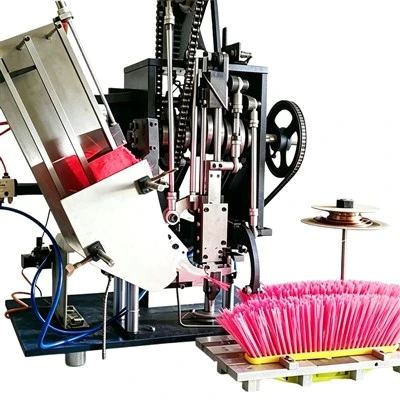
So if you’re ready to stop dealing with broken manual machines, wasted material, and missed deadlines, reach out to me. Let’s talk about what you need, no fluff, no jargon, just straight up solutions for your handle production. I’m here to help you grow, not just sell a machine.
Handle Making Machine References
- Hardware Distribution and Manufacturing Association. (2022). Modern Door Hardware Production Standards.
- Industrial Automation Handbook. (2021). High-Volume Metal Forming Machinery for Consumer Goods.
- Global Door Hardware Market Report. (2023). Growth Projections and Manufacturing Equipment Requirements.
Tongcheng Shengfeng Machinery Factory
As one of the most professional handle making machine manufacturers and suppliers in China, we’re featured by quality products and good service. Please rest assured to buy durable handle making machine for sale here from our factory. Contact us for more details.
Address: Shapu Village, Qingcao Town, Tongcheng City, Anhui Province
E-mail: 15955686317@163.com
WebSite: https://www.shengfengmachine.com/
