Hey there, Baked Pastries
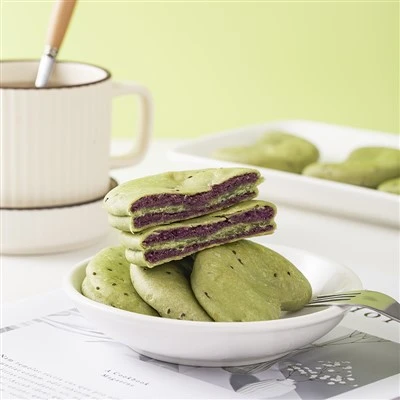
If you’ve ever wandered into a coffee shop at 9 a.m. and stared at the glass case for 5 minutes trying to pick between that creamy, tangy cheesecake slice and whatever else they have, I feel you. For years, I’ve been behind the scenes, working with bakeries and cafes to nail that exact texture that makes people go “Wait, is this homemade?” when it arrives at their door as part of our baked pastries delivery. Today, I’m pulling back the curtain on how we craft our cheesecake-style baked pastry—no fancy, impossible-to-find ingredients, just real science we’ve honed over thousands of orders, so you can get that same perfect slice too, whether you’re baking at home or bulk-ordering for your shop.
First, let’s cut through the chaos: a lot of people think “baked cheesecake” is just mixing cream cheese and baking it. Nope. It’s all about texture control, which is why ours never cracks, never gets rubbery, and has that soft, melt-in-your-mouth crumb that keeps customers coming back. Let’s start with the crust because that’s the unsung hero. Too many bakeries skip the salt in the crust, and it makes the whole cheesecake taste flat. We use graham crackers (not the sugary, frosted ones—plain is key here), melted unsalted butter, a tiny bit of brown sugar, and a pinch of fine sea salt. The salt doesn’t make it salty; it amplifies the butter and graham flavor, so the whole thing tastes balanced.
Here’s the science part that’s easy to miss: when you press the crust into the pan, you don’t pack it tight. I’ve seen new bakers press so hard it turns into a brick, and that makes the top of the cheesecake crack when it bakes. We press it firmly enough that it sticks to the bottom and slightly up the sides (about half an inch), but not so hard that there are air pockets or dense clumps. If there are air pockets, butter seeps out while baking, and that’s what causes cracks on the surface. Quick pro tip: chill the crust for 15 minutes before adding the filling. It helps it set, so when you pour the filling, it doesn’t sink into the gaps.
Now the filling—this is where 80% of the flavor lives. We use full-fat cream cheese, no exceptions. Low-fat or light cream cheese has extra water and stabilizers that throw off the texture. If you’ve ever had a cheesecake that’s watery in the middle, that’s why. We let the cream cheese sit out at room temperature for at least an hour before mixing. A lot of people skip this step and beat cold cream cheese, which creates lumps. Lumps mean a uneven cheesecake—no bueno. We also use granulated sugar, not powdered sugar. Powdered has cornstarch, which can make the filling feel slightly chalky, and we want that pure, creamy tang. Add a touch of sour cream too—just a quarter cup for a 9-inch pan. It cuts the richness of the cream cheese and adds that subtle tang that makes cheesecake taste like “cheesecake” instead of a sweet flan.
Eggs are make or break. We use large eggs, room temp, and only add them one at a time. If you add all three at once, you overbeat the mixture, which incorporates too much air, and that’s another big crack culprit. We beat each egg just until it’s fully incorporated—no more than 10 seconds per egg. Overbeating also makes the filling rise too fast in the oven, then sink, leaving a dense, sunken center. We also add a splash of vanilla extract, but not too much—too much vanilla makes it taste artificial. A teaspoon is enough to round out the flavors without overpowering the cream cheese.
Now the baking part—this is where most people mess up. We don’t bake cheesecake at a high temp (350°F/175°C is too hot for a 9-inch pan). We bake it at 325°F/160°C, low and slow. Here’s another secret: we use a water bath. Wait, I know, water baths sound fancy, but they’re just a pan of hot water in the oven under the cheesecake pan. Why? They keep the oven’s temperature stable, so the edges cook slower than the center, which prevents cracking. I’ve tried skipping the water bath (I was in a rush once) and ended up with a cheesecake that looked like a mud pie, so trust me on this. Wrap the bottom of your cheesecake pan in two layers of aluminum foil—this keeps water from seeping into the filling.
Bake time? A 9-inch cheesecake takes about 55 to 65 minutes. Here’s how to tell it’s done without burning it: the edges should be set, but the center 2 inches should still jiggle slightly like Jell-O. If you bake it until the center is totally firm, it’ll keep cooking after you take it out and get rubbery. Once it’s done, turn the oven off, crack the door open, and let it cool in the oven for an hour. No rushing this step! If you take it out and set it on the counter immediately, the sudden temperature change causes cracks. Then, take it out of the pan, run a knife around the edge, and let it cool on the counter for another hour before sticking it in the fridge overnight. I know, waiting a whole day is annoying, but it’s non-negotiable. The flavors meld, and the texture sets perfectly. If you serve it warm, it’ll taste runny and sweet—cold is where that tangy cream cheese shines.
We’ve tweaked this recipe so much for bulk orders, too, because we’re a baked pastries supplier—we can’t just make one cheesecake for a cafe. We scale all the ingredients evenly, so 10 batches use 10 times the cream cheese, not more or less of anything. We also use the same water bath method for large sheet pans when we’re making a big batch for a coffee shop chain. It keeps every slice consistent, which is why our clients keep coming back.
If you’re a small business owner looking to add cheesecake-style baked pastries to your menu, or a home baker who’s tired of cracked, rubbery cheesecakes, stick to these steps: salt in the crust, room temp ingredients, low heat, slow cooling, and a water bath. No shortcuts, no fancy tricks, just the stuff that works.
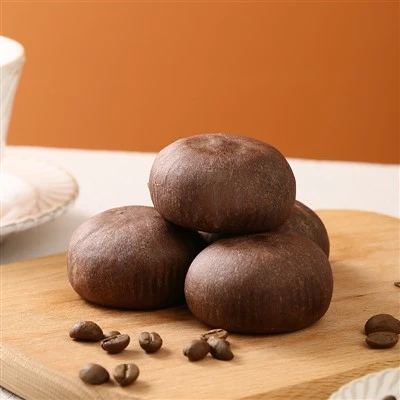
If you’re a cafe, restaurant, or retail shop owner looking to get consistent, high-quality cheesecake-style baked pastries delivered straight to your counter, we’d love to chat. Whether you need full sheets, pre-sliced individual portions, or custom flavors, we’ve got you covered—no weird additives, just real ingredients and the texture customers rave about.
Baked Pastries References:
- Food and Agriculture Organization of the United Nations. (2020). Texture control in baked dairy products.
- McGee, H. (2004). On Food and Cooking: The Science and Lore of the Kitchen. Scribner.
- American Bakers Association. (2021). Best practices for bulk baked cheesecake production.
Fujian Luchen Food Co., Ltd.
As one of the most professional baked pastries manufacturers and suppliers in China since 1986, our products have good reputation in the market. Please feel free to wholesale bulk delicious baked pastries from our factory. Good service and quality products are available.
Address: No. 19, Shangxipulou, Nansheng Town, Pinghe County, Zhangzhou City, Fujian Province
E-mail: service@xmnahan.com
WebSite: https://www.luchenbakery.com/
