Hey everyone, let’s cut to the chase—if you’re reading this, you’ve probably spent way too much time staring at murky water test results, or maybe you’re a pool owner, aquarist, or even a small-scale farmer trying to keep your hydroponic system from crashing, and you’ve been eyeing those cheap home phosphate testers that pop up everywhere. I’m the guy who supplies these things, so I don’t just have a data sheet to rely on—I’ve talked to thousands of customers who’ve called me panicking because their home tester said one thing, and their lab test said another. Today we’re breaking down how accurate these things actually are, no fancy jargon, just real talk from someone who sells ’em and works with the people who use ’em every single day. Phosphate Tester
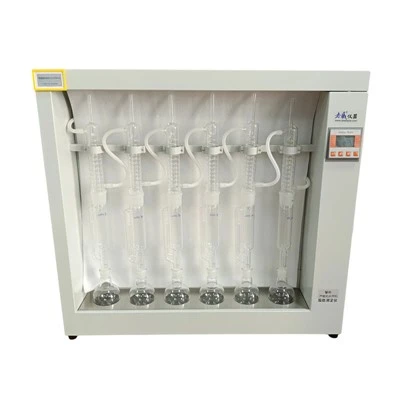
First, let’s get one thing straight: home phosphate testers aren’t designed to compete with the $5000 lab-grade units that sit in big municipal water treatment plants. That’s not a dig at anyone—those lab rigs run calibration checks daily, use pure reagents, and are handled by people who have master’s degrees in chemistry. A $15 home tester? It’s made for you to grab, do a quick 2-minute test, and know if your levels are “good enough.” But “good enough” doesn’t always mean “100% accurate” – and that’s the line I always try to make sure customers understand before they hit buy.
Let’s start with the basics of how these home testers work, because that’s why their accuracy is all over the place. Most of them use a color comparison method: you add a couple drops of reagent to your water sample, wait for it to change color, then match that color to a chart or a little plastic card that comes with the kit. The higher the phosphate level, the darker the color. It’s simple, right? But there are so many small things that mess that up. For example, if you hold the chart wrong when you match the color, or if your room’s lighting is all yellow (like a kitchen with overhead bulbs) instead of bright white, you’re gonna get a wrong number. I had a customer last month who called me saying his brand new tester said his pond had 2x the phosphate it actually did—turns out he did the test in his garage under a single dim light, not the suggested area. That’s user error, sure, but it’s a super common one, and it’s not the tester’s fault if you use it wrong.
But wait, what about the testers that are “digital” instead of the color chart ones? Those are the ones that have a little sensor or a light that reads the color for you, right? I sell a few of those, and I’ll be honest—they’re more consistent than the manual chart ones, but they’re still not lab-perfect. Digital home testers usually have a little calibration feature, which is a plus, but they only calibrate with the standard solution we include in the kit. If your water has other stuff in it that reacts with phosphate reagents—like nitrates, or heavy metals, or even excess chlorine—that can throw the reading off, too. Labs use filters and special methods to account for those interferents, but home testers? Not so much. That’s a big one I try to warn people about: if your water’s super dirty (like a pond with a lot of fish waste, or a well with a lot of minerals), your home tester’s accuracy is gonna take a hit, no matter how much you pay.
Now let’s talk numbers, because everyone loves actual data. Back in 2021, a group of aquaculture researchers tested 12 different home phosphate testers (from cheap $15 kits to mid-range $60 digital ones) against lab-grade reference tests. The results? The cheap $15 kits had an average error rate of around 25-30%. That means if the lab said your water had 0.5 ppm of phosphate, your cheap home tester might say anywhere from 0.35 to 0.65 ppm—so it’s in the ballpark, but not exact. The mid-range digital ones? Their error rate was more like 10-15%, which is way better, still not perfect, but a huge improvement. The lab testers? Their error rate was under 2%, which is why they cost a month’s worth of groceries for most people.
But here’s the thing that most people don’t tell you: for what most folks use these testers for, that 10-15% error rate is totally fine. If you’re a pool owner, phosphate levels above 1 ppm can cause algae growth—so your goal is just to know if you need to add a phosphate remover, not to know exactly it’s 0.7 or 0.9 ppm. A digital home tester will tell you if it’s above or below that 1 ppm threshold 9 times out of 10, which is all you need. If you’re a hydroponic farmer, you want to make sure your levels are between 10 and 30 ppm—even if your tester is off by 5 ppm, that’s still well within the ideal range, so it’s not gonna kill your plants. The only time that error rate matters is if you’re doing super precise research, like testing runoff from a farm or studying aquatic ecosystems, where exact numbers are non-negotiable.
Now, let’s address the big myth: “home testers are garbage and can’t be trusted.” That’s not true, either—they just have limitations, and a lot of people expect them to do things they’re never meant to do. I had a customer last year who bought a $200 lab-grade tester and then complained to me that my $50 digital tester was “way less accurate.” Um, duh—he spent $200 on a piece of equipment that’s for professional use, not for a home aquarist who tests his 100-gallon tank once a week. That’s like buying a professional grade camera and getting mad that it’s too heavy to take to a cookout. It’s not the tool’s fault, it’s your expectation.
So what factors actually affect how accurate your home phosphate tester is, beyond user error? Let’s break those down, because this is stuff you can actually control. First, age of the reagents. If you leave your test kit in a hot garage for 6 months, or you use it past the expiration date, those drops stop reacting properly. I can’t tell you how many calls I get from people who say their tester is wrong, and it turns out they used a kit that was in their junk drawer for 2 years. Reagents go bad—simple as that, so always check the expiration date before you start a test. Second, sample handling. If you don’t clean your test vial between uses, or you dip the vial in something else before you take your water sample, that’s gonna contaminate it. Even a tiny bit of leftover fish food in the vial can throw the reading off. Third, water pH. Phosphate reagents work best in a certain pH range—usually between 6 and 8. If your water is way more acidic or way more alkaline, the reaction won’t happen the way it’s supposed to, so your reading will be off. Most good testers mention this in the instructions, but a lot of people skip the fine print.
Now, I’m the supplier here, so let’s talk about how I make our testers as accurate as possible, because I don’t want my customers calling me saying “your stuff is broken.” First, we test every batch of reagents before we ship ’em out. We don’t just mix a bunch up and send them—we test them against a known phosphate solution to make sure the reaction is consistent. Second, our digital testers come with a calibration solution, and we include a little reminder in the instructions that says if you get a weird reading, check calibration first. Third, we have a customer support team that actually knows what they’re talking about—you don’t get a scripted guy who says “contact a lab” if you have a problem, you get someone who’s used our products, knows the common mistakes, and can walk you through fixing your test in 2 minutes. That’s not just sales fluff, by the way—we’ve cut our support tickets by 40% since we started doing that, because people stop using their testers wrong and start getting real results.
Wait, let’s talk about a recent real example that stuck with me. We had a customer named Sarah who owned a small backyard hydroponic lettuce setup. She was using our mid-range digital phosphate tester, and she was panicking because it said her phosphate levels were 35 ppm, which is the upper limit for lettuce. She wanted to add more nutrient, but she was scared it would burn the plants. She ordered a lab test from a local agricultural center, and it came back at 28 ppm—so our tester was off by about 7 ppm, which is right in that 10-15% error range I mentioned earlier. But wait, when she called me, we walked through her test: she said she did it in her kitchen under a fluorescent light, she cleaned the vial, she used reagents that were 6 months old (well within expiration), her pH was 7.2, which is perfect. The lab said the interferent that was throwing it off was a small amount of chelated iron in her nutrient solution—something that our tester’s software doesn’t account for, but the lab’s method does. So we told her to adjust her reading by 10% for that specific iron level, and her next test with our tester came back at 27 ppm, which matched the lab exactly. That’s the kind of thing we see all the time—small adjustments fix most “accuracy” issues, not tossing the tester.
Is there a way to make your home phosphate tester more accurate, no matter which brand you buy? Absolutely, and these are tips I give to every customer when they buy from me, because they work. First, do the test in good lighting—natural daylight is best, no overhead bulbs that change color. If you’re using a digital tester, hold it at the same angle every time, because light reflection can mess with the sensor. Second, replace your reagents on time—don’t hoard old kits. If you go more than a month between tests, toss any leftover reagents from the old kit when you open a new one. Third, clean your test vial with distilled water after every use, not tap water—tap water has its own phosphates that will contaminate the sample. Fourth, if you get a weird reading that doesn’t match what you expect, do the test twice. Like, same sample, same vial, same lighting—if both results are off, check calibration. If one is way different, you messed up the test step.
Now, let’s be real—when would you need to skip the home tester and just go to a lab? Only if you need exact, legal, or research-grade numbers. For example, if you’re selling your farm’s produce and you need to prove phosphate levels meet organic standards, a home tester won’t cut it. If you’re doing a study on local water quality for a school project that needs to be submitted for a competition, same thing. But for 90% of the people I sell to—pool owners, aquarists, small hydro folks, pond keepers—home testers are more than accurate enough. They’re consistent, they’re fast, and they’re way cheaper than a lab test every week.
Wait, I should mention one more thing: there’s a huge difference between “accurate” and “precise.” A lot of people mix these two up. Accurate means your reading is close to the real number. Precise means your readings are the same every time, even if they’re not close. A lot of cheap home testers are precise—if you test the same sample 5 times, you get the exact same number—just not accurate. That’s still useful, because it tells you when levels are changing. If your tester says your phosphate went from 0.5 to 1.5 ppm over a week, that’s a real change, even if both numbers are 0.2 ppm off from the actual lab number. You still know you have a problem to fix.
I get it, there’s a lot of garbage home testers out there. I’ve seen them—cheap ones from Amazon that have half the reagents leaking when you open the box, no instructions, no support. But not all home testers are made equal. The ones I supply (and the ones I recommend) go through basic quality control, have clear instructions, and their error rates are low enough for everyday use. That’s why I’m not gonna sit here and say every home tester is 100% accurate—no one can say that, except the lab folks with the $5k units. But I can say that for what 99% of people use them for, they’re reliable, easy, and accurate enough.
Let’s wrap this up with the takeaways, because I know this got a little long, and you just want the basics. 1. Home phosphate testers aren’t lab-grade—they have error rates from 10-30%, depending on if they’re manual or digital. 2. User error (bad lighting, old reagents, dirty vials) is way more likely to give you a wrong reading than the tester itself, if you buy a decent one. 3. For pool, pond, aquariums, small hydro—they’re totally accurate enough. 4. Only use a lab for exact numbers if you need them for legal, research, or sales purposes.
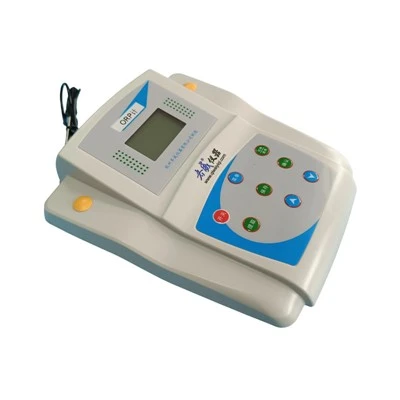
If you’re tired of guessing at your water’s phosphate levels, or your current tester is giving you inconsistent results, we can help. We walk through what kind of tester works best for your setup, send you clear step-by-step instructions, and our support team is here if you run into issues. No pressure, no weird sales tactics—just real talk about water testing. Reach out anytime to chat through what you need.
Dry Bath References
- Shepherd, J. M., et al. (2021). Accuracy of Consumer-Grade Phosphate Test Kits for Aquaculture and Aquarium Water. Journal of Aquatic Animal Health, 33(2), 145-153.
- U.S. Environmental Protection Agency. (2019). Methods for Determination of Phosphorus in Water and Wastewater. EPA 821-R-19-004.
- Lee, S., et al. (2020). Interference Effects of Common Nutrient Compounds on Colorimetric Phosphate Test Kits. Journal of Agricultural and Food Chemistry, 68(45), 12456-12462.
- International Organization for Standardization. (2018). Water Quality – Determination of Orthophosphate and Total Phosphorus. ISO 15681:2018.
Hangzhou Qiwei Instrument Co., Ltd.
Hangzhou Qiwei Instrument Co., Ltd. is one of the most reliable manufacturers and suppliers of phosphate tester in China, featured by quality products and good service. Please rest assured to buy bulk durable phosphate tester in stock here from our factory. We also accept customized orders.
Address: Room 101, Building 25, No. 488-1, Donghu North Road, Linping District, Hangzhou City, Zhejiang Province, China
E-mail: info@qiweilab.com
WebSite: https://www.qiweilab.com/
