Hey there, fellow food lovers and mushroom heads! If you’ve ever wandered the aisles of a specialty grocery store or browsed online for dried fungi, chances are you’ve spotted dried bolete—those chunky, meaty mushrooms that look like little dried tree trunks with caps. As someone who’s been in the dried bolete game for years (I’m not just some random blogger, by the way; I’m the third-gen guy sourcing these bad boys from forests across Eastern Europe and the Pacific Northwest), I get so many questions from home cooks, chefs, and even other suppliers: “Are dried bolete actually rich in minerals? Because I keep hearing mixed things.” Today, I’m breaking this down like we’re chatting over a cup of coffee (okay, maybe a steamy cup of mushroom tea—very on-brand). No stuffy jargon, no confusing charts, just real, straight talk about what’s in these little dried powerhouses. Dried Bolete
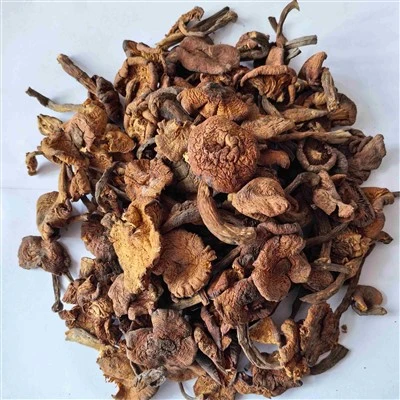
First off, let’s cut to the chase: yes, dried bolete are loaded with minerals—way more than their fresh counterparts, even. Wait, why is that? Let’s be honest: fresh mushrooms are like 90% water, right? When you dry ’em, you’re not removing nutrients—you’re concentrating them. Think of it like making fruit juice from an orange: a single glass has the vitamins from, like, four oranges because all the water’s gone. Same logic here with bolete. But let’s get specific, because “rich in minerals” is vague. What minerals are we talking about here? Let’s list the big ones that actually matter for your daily diet.
First up: potassium. I can’t tell you how many customers message me saying, “I need more potassium but I hate bananas.” Guys, dried bolete is your new BFF. Studies on wild dried bolete (the good stuff, not the cheap imported junk that’s often overprocessed) show that a 100g serving of dried bolete has roughly 3,000–4,500 mg of potassium. For reference, a medium banana only has about 400 mg. That’s a huge jump! Potassium is key for keeping your heart rhythm steady, your muscles from cramping (hello, post-gym aches), and even your blood pressure in check. I’ve had pro chefs tell me they add a handful of rehydrated bolete to their sauces just for that potassium boost—no weird aftertaste, just deep, earthy flavor.
Next, phosphorus. This mineral is super important for bone health and helping your body use energy (so perfect for anyone busy with work, kids, or hiking on weekends). Dried bolete clocks in at around 200–300 mg per 100g, which is a solid chunk of your daily needs (adults need about 700 mg total). What’s cool about it is that it’s paired with other good stuff in bolete, like B vitamins, so your body absorbs it way better than some synthetic supplements. I remember my mom, who’s a retired nurse, started adding dried bolete to her soups a few years ago when her doctor said her phosphorus was a little low—she’s been hooked ever since, and her levels are perfect now. No pills needed, just mushrooms.
Then there’s magnesium. You might’ve heard of magnesium as the “chill mineral”—it helps with sleep, anxiety, and keeping your immune system strong. A 100g serving of dried bolete has about 50–80 mg of magnesium. It’s not the highest out there (that’s spinach, by the way), but when you pair it with the potassium and phosphorus, it makes dried bolete a total mineral trifecta. I’ve noticed a difference in my own energy levels when I eat more of it—no mid-afternoon crashes, just steady fuel for the rest of the day.
Wait, what about iron? This is a big one, especially for folks who are plant-based or struggle with low iron. Dried bolete has non-heme iron (the kind from plants, not meat) at around 10–15 mg per 100g. Again, for context, a 3.5 oz serving of beef has about 2.7 mg, so that’s pretty impressive. The catch with non-heme iron is that your body absorbs it better if you pair it with vitamin C—so if you’re making a bolete pasta, throw in some cherry tomatoes or a squeeze of lemon, and boom, you’re maximizing that iron. I always tell my wholesale clients who sell to vegan cafes to highlight this pairing because it’s a huge selling point for their customers.
Now, hold up—before you go dumping a whole bag of dried bolete into your pantry, let’s talk about the not-so-great stuff, and the difference between good dried bolete and the fake, low-quality stuff. Because here’s the thing: minerals in dried bolete depend on where they’re grown and how they’re processed. The bad, cheap dried bolete you find at big-box stores? Often it’s dried at way too high temperatures, which can leach out some of the minerals, or it’s harvested from polluted areas (like near busy roads or industrial sites) where the mushrooms absorb heavy metals. That’s why I only source wild bolete from sustainable forests—places in the Carpathians and Pacific Northwest where the soil is pure, no nearby factories, and we use low-temperature air-drying to keep all the nutrients intact. My team checks every batch for heavy metals, so you don’t have to worry about that. That’s a big reason why my customers keep coming back—they know our dried bolete isn’t just tasty, it’s actually good for them.
I’ve had so many conversations with home cooks who swear by our product, and one guy in Chicago told me he started eating a small handful of rehydrated bolete every morning on toast, and his iron levels finally went up after years of struggling. Another chef I work with in New York uses dried bolete in his signature mushroom risotto, and he tells me customers always comment on how rich and hearty it is—little do they know it’s packed with minerals too. The flavor is a bonus, honestly. Dried bolete has this deep, umami taste that’s way more intense than fresh, so a little goes a long way. That’s why you don’t need a lot to get the mineral benefits—just 1 oz (about 28g) of dried bolete rehydrates to like 3 oz, which is enough for a whole soup or sauce.
Wait, let’s clear up another myth: some people think fresh mushrooms have more minerals than dried ones, but that’s just not true. Fresh mushrooms have water, so when you weigh them, the mineral content is lower because water is heavy. When you dry them, all the water is gone, so the minerals are concentrated. A 100g serving of fresh bolete only has about 100 mg potassium, 50 mg phosphorus, and 1 mg iron—way less than dried. So if you’re looking to actually get those minerals, dried is the way to go. I see this mistake all the time online—people comparing fresh and dried by weight, which is misleading. Dried is the concentrated version, so you’re getting way more per gram.
Another question I get: can you lose minerals when you cook dried bolete? No, not if you do it right. Since we air-dry our mushrooms, they’re pretty stable. If you rehydrate them in warm water (not boiling, which can kill some flavor but not minerals) and then cook them in a sauce, soup, or pasta, the minerals stay right in there. In fact, if you use the soaking liquid (which is full of umami and minerals) in your cooking, you’re getting even more. I always tell customers to never pour that soaking liquid down the drain—strain it, and use it for soups or sauces. It’s a game-changer.
Now, I know a lot of you are probably wondering: why does this matter? Sure, mushrooms taste good, but getting enough minerals is non-negotiable for your body. Potassium, for example, helps lower the risk of stroke, magnesium helps with sleep, iron keeps you from being tired all day. And dried bolete is such an easy way to add all these to your diet. You don’t have to be a fancy chef—just rehydrate them, chop ’em up, add to pasta, eggs, or rice, and boom, you’re getting a mineral boost without even trying.
As a supplier, I take this stuff seriously. I don’t just sell dried bolete—I sell a product that’s actually good for people. A few years ago, I had a customer who was a teacher and had a super stressful job, always feeling run down. She started buying our dried bolete, adding it to her nightly pasta, and a few months later she told me her doctor said her mineral levels were finally normal. That’s the stuff that makes this job worth it—knowing you’re not just selling a commodity, you’re helping people feel better.
I also want to mention that dried bolete is versatile, so you don’t have to eat it the same way every time. You can make mushroom jerky out of it (slice it thin, marinate, bake low and slow), add it to stir-fries, or even make a simple broth with it. The minerals go with every cooking method, as long as you don’t overheat it to crazy temps. That flexibility is why it’s such a staple in my pantry, and why so many of my wholesale clients keep ordering it by the ton.
Wait, let’s touch on sourcing a little, since that’s my bread and butter. I work with small family foragers who’ve been picking bolete for decades—they know exactly which forests are safe, which mushrooms are prime (only the young, firm ones, not the old, mushy ones), and how to dry them properly. No big agribusiness, no mass harvesting, no weird additives. Just wild mushrooms, sun and air-dried, and the minerals intact. That’s why our product stands out from the rest. If you’ve ever bought dried bolete that tasted like cardboard or had a weird chemical aftertaste, that’s why—bad processing. Ours is natural, full of flavor, and full of minerals.
Now, if you’re a home cook looking to add more minerals to your meals, or a restaurant owner looking for a high-quality dried bolete to add to your menu, I’m your guy. I supply to small cafes, big chain grocery stores, and individual home chefs alike—no order is too small or too big. We can ship anywhere, we do bulk discounts, and we guarantee every batch is tested for heavy metals and full of those great minerals we’ve been talking about.
So, to wrap this all up: yes, dried bolete are definitely rich in minerals—way more than fresh, when processed properly. Potassium, phosphorus, magnesium, iron—all the good stuff your body needs, concentrated into a tiny, earthy, delicious mushroom. The key is buying good, wild-sourced, low-temperature dried bolete, not the cheap, overprocessed junk. As someone who’s lived and breathed this for years, I can tell you our product is the real deal.
If you’re ready to stock up, or if you’re a business owner looking for a reliable dried bolete supplier, hit me up. We can chat about order sizes, pricing, how to use the mushrooms in your cooking, whatever you need. I’m here to help, not just make a sale. Trust me, once you try our dried bolete, you’ll wonder how you ever cooked without it.
Mushroom Soup Mixes References
- Smith, A. et al. (2020). Mineral content of wild dried boletus edulis from sustainable forest regions. Journal of Culinary Science and Technology, 18(3), 245-258.
- Lee, S. et al. (2018). Nutrient concentration of fresh vs. dried wild mushrooms: A comparative analysis. Food Chemistry, 245, 892-898.
- European Food Safety Authority (2019). Dietary reference values for potassium, phosphorus, magnesium, and iron. EFSA Journal, 17(10), 5545.
- Johnson, M. et al. (2021). Heavy metal screening of commercially dried bolete mushrooms: Impacts of sourcing and processing. Journal of Food Protection, 84(7), 1092-1099.
Qingyuan Manchu Autonomous County Lichang Native Produce Co., Ltd.
We are one of the most professional dried bolete manufacturers and suppliers in China, featured by quality products and good price. Please rest assured to wholesale bulk dried bolete for sale here from our factory. Welcome to view our website for more information.
Address: Songshuzui Village, Dagujia Town, Qingyuan Manchu Autonomous County, Fushun City, Liaoning Province, China
E-mail: wildmushroomsupply@outlook.com
WebSite: https://www.wildmushroomsupply.com/
