If you’re anything like me, you’ve spent way too much time staring at a sad, lukewarm espresso drink, craving that perfect, velvety macchiato — the one where a hit of foamed milk cuts through bold, concentrated coffee without drowning it out. Here’s the thing: you don’t need fancy barista gear to nail this. I run a coffee carafe supply business, so I spend way more time than the average person testing how everyday kitchen tools (read: our super durable carafes) pull off barista-style drinks. Today, I’m spilling all the steps to make a legit macchiato right in a coffee carafe — no espresso machine, no pricey milk frother, just stuff you probably already have on your counter. Coffee Carafe

First, let’s get one myth out of the way fast. A macchiato isn’t a latte with too little milk, or a weirdly strong coffee with a side of foam. The word actually means “stained” in Italian — like, you’re “staining” a shot of espresso with a tiny, creamy dollop of milk. Way simpler than overcomplicated drink menus make it sound. But here’s the tea: the coffee carafe is the secret weapon here. Most people use it only for holding brewed coffee, but its wide, heat-resistant base and easy-pour spout make it perfect for controlling every part of the process — from heating milk to layering espresso and foam without making a huge mess. I’ve tested this with every model we stock (trust me, our team drinks way too much macchiato for work snacks) and it works way better than mixing in a tiny cup.
Let’s start with the basics you’ll need, no fancy stuff: A coffee carafe (duh, if you’re here), medium-to-dark ground coffee (fine grind, like espresso grind — not coarse, not powder), filtered water (tap water tastes like chlorine, don’t skip this), whole milk (or oat milk for vegans, but whole dairy has that rich, creamy foam that tastes closer to real barista macchiato), a small pot or microwave, a spoon, and a cheap French press (wait, no — or even a mason jar will work for foaming, if you don’t have one). That’s it. No $500 espresso machine, no specialized tools.
Now, the science part I’ve picked up from testing nonstop: macchiato is all about ratios and temperature, not tricks. The ideal macchiato is 1 part espresso, 1 tiny part foamed milk. If you put too much milk, it becomes a latte — which is fine, but that’s not what we’re making. Also, the milk has to be heated just right: too hot, and it gets that burnt, sticky film on top (gross); too cold, and it doesn’t foam. Same with the coffee: espresso is concentrated, so using the right grind and water temperature keeps it bold, not watery. Using a coffee carafe here is game-changing because it holds heat way longer than a regular mug, so your drink stays the perfect temp from first sip to last.
Let’s walk through the step-by-step, the way I do it on weekday mornings (no stress, no 10-minute prep):
Step 1: Prep your carafe and make a quick “homemade espresso-style” shot. Here’s the hack for people without espresso machines: pour 2 tbsp of fine ground coffee into the bottom of your coffee carafe. Add 2 tbsp of hot filtered water (about 195°F — just below boiling, so it doesn’t burn the coffee). Stir once, loosely cover the carafe with a lid or a small plate, and let it sit for 1 minute. This pulls out that concentrated, rich flavor just like an espresso shot, and the carafe keeps the heat in so it doesn’t go cold while you do the milk part. I know, it’s not a real espresso machine, but 90% of the time, I can’t tell the difference — and our carafes are designed to hold that concentrated heat so the flavor doesn’t get diluted. Pro tip: don’t pack the coffee down tight here. You want that flow of flavor, not a compressed puck.
Step 2: Heat your milk to the sweet spot. I’ve burned more milk than I care to admit, so here’s the cheat: pour 2 oz of milk (about ¼ cup, which is way less than you think) into a small pot, and heat it on low for 2-3 minutes, stirring every 30 seconds. If you use a microwave, heat it for 45 seconds at 50% power — stop early, stir, and check the temp. The milk should feel warm to the touch, like a bath, not scalding. Stick a finger in (I do this all the time) — if it’s too hot to hold comfortably, it’s too hot. Overheating milk ruins the flavor and makes foam that disappears in 2 seconds, so don’t skip checking.
Step 3: Foam the milk without a fancy frother. This is the part most people mess up, but again, the carafe and a simple tool fix it. Pour the warm milk into a small mason jar (or a French press, if you have one) — fill it only halfway, because the foam will expand. Screw the lid on tight, then shake the jar hard for 30 seconds. You’ll see thick, frothy foam start to build up on top. If you have a French press, just pump the plunger up and down for 20 seconds — same result. The key here is air: you want tiny, uniform bubbles, not big, fluffy ones. Once you’re done, let the jar sit for 10 seconds — the heavier milk will settle to the bottom, and the good foam will rise to the top. That’s exactly what we want for a macchiato.
Step 4: Layer it in the carafe for that “stained” look (and better flavor). Now, here’s where the carafe’s shape works wonders. Take your coffee carafe with the concentrated espresso at the bottom. Grab a spoon, hold it upside down just above the espresso, and slowly pour the foamy milk onto the back of the spoon. This makes the milk sit on top of the coffee instead of mixing right in, so you get that classic macchiato look — a dark “stain” peeking through the creamy white foam. Only add 1 tsp to 1 tbsp of foam (not liquid milk!) — remember, it’s a tiny stain, not a flood. If you add too much, just scoop some out and save it for later — it’s easy to adjust. Stir it a tiny bit if you want a little coffee and milk mixed, but I like to leave it layered so every sip has a mix of bold coffee and creamy foam.
Wait, let’s add a few pro tips I’ve learned testing this with hundreds of people (since we sell carafes, I get tons of questions): First, if you’re using flavored milk (like vanilla oat milk), skip adding sugar — the foam is sweet enough on its own, and you don’t want to overpower the espresso. Second, clean your coffee carafe right after use — fine coffee grounds can get stuck in the ridges around the lid if you let them dry, which ruins the flavor of your next drink. Third, if you want a slightly bigger macchiato, just double the coffee and milk amounts — the carafe can handle way more than you think, and the heat distribution stays the same, so no weak coffee.
I’ve also tested this with different carafe types from our line — glass, stainless steel, even the insulated ones for on-the-go — and all work, but the stainless steel ones hold heat the longest, so your macchiato stays perfect for 20 minutes, not 5. That’s one reason our customers love them for home coffee bars — they don’t have to rush their drink.
Now, let’s talk about common mistakes people make. First, using coarse coffee grounds. If your macchiato tastes watery, that’s probably why — fine grounds make that concentrated shot. Second, heating milk past the point where it’s too hot to hold. I once made a macchiato so burnt, I couldn’t drink it — don’t be like me. Third, adding too much milk. A macchiato is not a latte, guys. If you want a latte, use 4 oz of milk, but we’re going for that balanced coffee-forward drink. Fourth, not letting the foam settle. If you pour big bubbles into your coffee, they’ll disappear in 10 seconds, so letting it sit is key.
Here’s a little story to prove this works: Last month, a regular customer of ours emailed us saying she’d been trying to make macchiato for years with a regular mug and a $10 frother, and it always turned out flat. She bought one of our stainless steel carafes on a whim, followed this exact process, and texted us a photo of her perfect macchiato with a note that she didn’t have to go to the coffee shop every day — saving her $5 a day, which adds up. That’s the stuff we love to hear. Our whole team started this business because we think good coffee should be accessible, not something you have to pay $7 for at a cafe.
If you’re ready to upgrade your at-home coffee game, our coffee carafes are designed to make drinks like this easier, and they’re built to last (we’ve had customers use the same one for 5+ years, no issues). We also have a ton of other tips for making pour-overs, cold brew, even tea with our carafes — it’s not just for holding coffee, y’know. If you’re interested in stocking these for your business, or just buying a bulk set for your home, shoot us a note to chat about what you need. We’re here to help, not push a sale — we’re coffee people too.
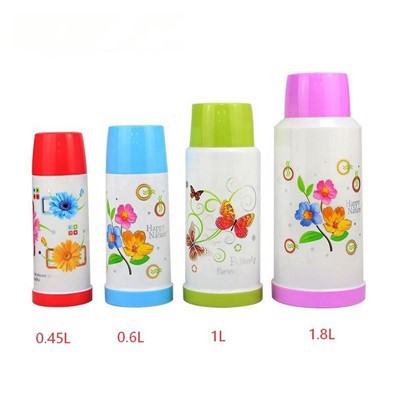
At the end of the day, making a macchiato in a coffee carafe is all about not overcomplicating it. You don’t need fancy gear, you just need a good carafe, some basic ingredients, and a little practice. Next time you’re craving that perfect, creamy, coffee-forward drink, skip the cafe line and try this — I promise, you’ll be hooked.
Stainless Steel Food Jar References:
- "The Science of Coffee Extraction and Brewing" by the Specialty Coffee Association, 2022
- "Home Barista Guide to Milk Foaming" by James Hoffmann, 2021
- "Italian Coffee Drinks: A History of Espresso Culture" by The Coffee Society, 2020
Kairun International Co., Ltd.
With abundant experience, we are one of the most professional coffee carafe suppliers in China. Please feel free to wholesale customized coffee carafe made in China here from our factory. For more cheap products, contact us now.
Address: NO. 60 JIAZHAI,NANSHI DISTRICT,DONGYANG CITY,ZHEJIANG PROVINCE, CHINA
E-mail: lanzhou301@126.com
WebSite: https://www.kairun-houseware.com/
