Specialty gases play a crucial role in the aerospace industry, contributing to various aspects of aircraft and spacecraft operations. As a specialty gases supplier, I have witnessed firsthand the diverse applications of these gases in this high – tech field. In this blog, I will explore the different ways specialty gases are used in the aerospace industry. Specialty Gases
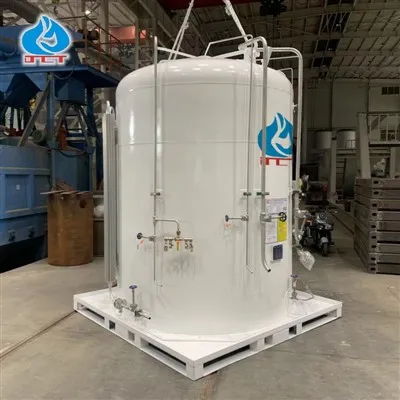
1. Inert Gases for Purge and Blanketing
Inert gases such as nitrogen (N₂) and argon (Ar) are widely used in the aerospace industry for purge and blanketing applications. When manufacturing aerospace components, it is essential to prevent oxidation and contamination. For example, during the welding process of aircraft structures, nitrogen is used to purge the welding area. By displacing oxygen and moisture, nitrogen creates an inert environment that reduces the risk of oxidation and ensures high – quality welds.
In the storage and transportation of aerospace fuels and propellants, inert gases are used for blanketing. Argon is often used to blanket fuel tanks to prevent the formation of explosive mixtures. The inert gas layer on top of the fuel acts as a barrier, reducing the contact between the fuel and air, thus enhancing safety.
2. Oxygen for Life Support Systems
Oxygen (O₂) is a vital specialty gas in the aerospace industry, especially for life support systems in aircraft and spacecraft. In commercial airliners, oxygen is provided to passengers and crew in case of cabin depressurization. The oxygen systems are designed to supply a sufficient amount of breathable oxygen for a certain period, ensuring the safety and well – being of everyone on board.
In spacecraft, oxygen is even more critical. Astronauts rely on oxygen for respiration during space missions. The oxygen supply systems in spacecraft are carefully designed to maintain a stable and appropriate oxygen level. These systems often involve complex technologies for oxygen generation, storage, and distribution to meet the long – term needs of astronauts in the harsh environment of space.
3. Helium for Pressure Testing and Leak Detection
Helium (He) is well – known for its use in pressure testing and leak detection in the aerospace industry. Due to its small atomic size and high diffusivity, helium can easily penetrate small leaks. When conducting pressure tests on aerospace components such as fuel tanks, engines, and hydraulic systems, helium is introduced into the system at a specific pressure.
Then, sensitive helium detectors are used to detect any helium leakage. This method allows for the accurate identification of even the smallest leaks, which is crucial for ensuring the safety and reliability of aerospace equipment. Helium is also used in the calibration of pressure sensors and gauges in aerospace applications, providing a reliable and consistent reference for accurate measurements.
4. Hydrogen for Propulsion
Hydrogen (H₂) is emerging as a promising fuel for aerospace propulsion. As a clean and high – energy – density fuel, hydrogen has the potential to revolutionize the aerospace industry. In some experimental aircraft and spacecraft, hydrogen is used as a propellant. When hydrogen reacts with oxygen in a fuel cell or combustion chamber, it releases a large amount of energy, which can be used to power the aircraft or spacecraft.
The use of hydrogen as a propellant offers several advantages, including lower emissions and higher efficiency compared to traditional fossil fuels. However, there are also challenges associated with hydrogen use, such as storage and handling due to its low density and high flammability. Nevertheless, ongoing research and development efforts are focused on overcoming these challenges to make hydrogen – powered aerospace vehicles a reality.
5. Specialty Gas Mixtures for Simulation and Testing
Specialty gas mixtures are often used in aerospace simulation and testing facilities. These mixtures are carefully formulated to mimic the environmental conditions of different altitudes and space environments. For example, gas mixtures containing nitrogen, oxygen, and carbon dioxide can be used to simulate the Earth’s atmosphere at various altitudes.
In space simulation chambers, gas mixtures are used to create the vacuum and low – pressure conditions of space. These simulations are essential for testing the performance and durability of aerospace components and systems under realistic conditions. By exposing the components to these simulated environments, engineers can identify potential problems and make necessary improvements before the actual flight.
6. Xenon for Ion Propulsion
Xenon (Xe) is used in ion propulsion systems for spacecraft. Ion propulsion is a highly efficient propulsion method that uses electric fields to accelerate ions and generate thrust. Xenon is an ideal propellant for ion propulsion because it has a high atomic mass, which allows for greater thrust per unit of propellant mass.
In an ion propulsion system, xenon gas is ionized, and the resulting ions are accelerated by an electric field. This process produces a continuous and low – thrust force, which is suitable for long – duration space missions. Ion propulsion systems using xenon have been used in several space probes, enabling them to travel long distances with less fuel consumption compared to traditional chemical propulsion systems.
7. Carbon Dioxide for Environmental Control
Carbon dioxide (CO₂) is an important gas in the environmental control systems of aircraft and spacecraft. In aircraft, CO₂ is monitored and controlled to maintain a comfortable cabin environment. High levels of CO₂ can cause discomfort and even health problems for passengers and crew. Therefore, the ventilation systems in aircraft are designed to remove excess CO₂ and maintain a proper CO₂ concentration.
In spacecraft, the management of CO₂ is even more critical. Astronauts exhale CO₂, and it needs to be removed from the cabin atmosphere. The environmental control and life support systems in spacecraft use various methods to remove CO₂, such as absorption by chemical sorbents. These systems ensure that the CO₂ level in the spacecraft cabin remains within a safe and comfortable range.
Why Choose Our Specialty Gases?
As a specialty gases supplier, we are committed to providing high – quality gases for the aerospace industry. Our gases are produced and tested to meet the strictest standards of the aerospace sector. We have state – of – the – art production facilities and advanced quality control systems to ensure the purity and consistency of our gases.
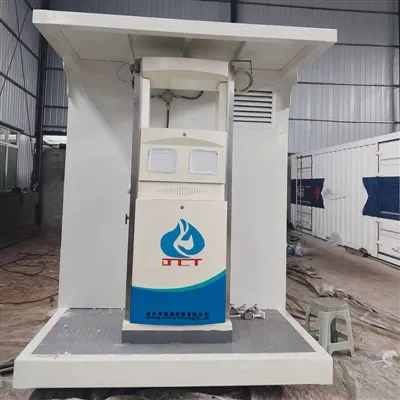
We understand the critical nature of aerospace applications, and we offer customized solutions to meet the specific needs of our customers. Whether you need a single specialty gas or a complex gas mixture, we can provide it in the right quantity and quality. Our team of experts is always ready to offer technical support and advice to help you make the best use of our gases in your aerospace projects.
Gas Plant If you are in the aerospace industry and are looking for a reliable specialty gases supplier, we invite you to contact us for a procurement discussion. We believe that our products and services can contribute to the success of your aerospace operations.
References
- “Aerospace Materials and Processes Handbook”, ASM International
- “Fundamentals of Spacecraft Propulsion”, Wiley – Interscience
- “Aircraft Systems: A Guide to Aviation Technology and Operations”, McGraw – Hill Education
Xinxiang Jincheng Technology Co., Ltd.
As one of the most professional specialty gases manufacturers in China, we’re featured by quality products and good service. Please rest assured to buy customized specialty gases made in China here from our factory. For pricelist, contact us now.
Address: Industrial Park, Fengquan District, Xinxiang City, Henan Province, China
E-mail: cncd05@cryocontainer.com
WebSite: https://www.jinchengspecialgas.com/
